Writing a parent's life story: memoir and legacy projects in NJ
How memoir interviews work and what they typically cost, how to record your mom or dad yourself, free tools like the StoryCorps App, New Jersey library memoir programs and tips for a parent with memory loss.
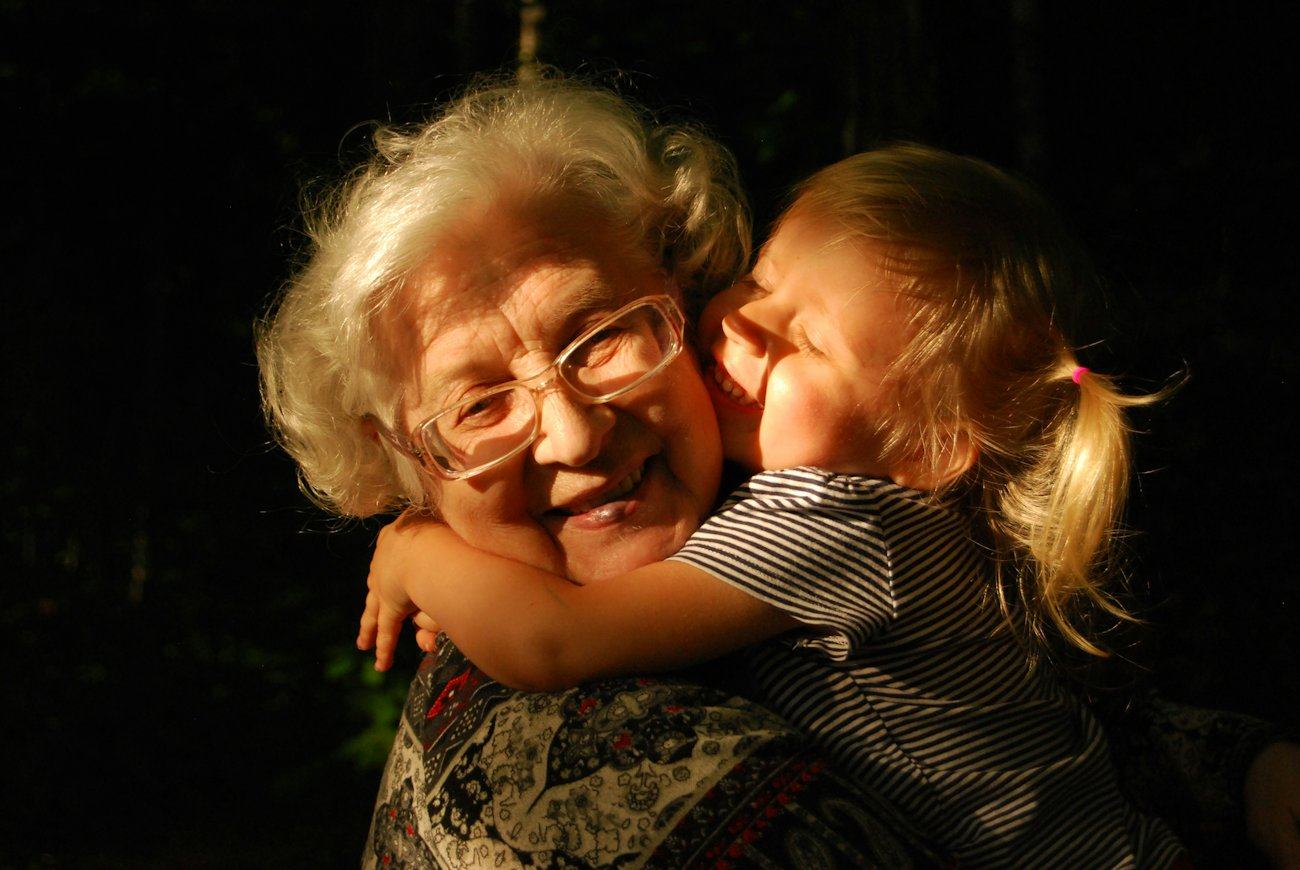
Every family has stories that live in one person's head. How your parents met. What the old neighborhood in Newark or Paterson or Camden was like. The job your dad took right out of the Army. The recipe your mom never wrote down.
A life story project gets those stories onto paper or a recording while there is still time to ask. It can be a printed book, a set of audio interviews, a video or a simple binder of typed pages. This guide covers how it works, what it costs to hire help, how to do it yourself, where New Jersey libraries offer memoir programs, and how to approach it when a parent has memory loss.
What is a life story or memoir project?
At its simplest, someone asks good questions and someone else listens and records. The answers become a keepsake for children, grandchildren and great-grandchildren.
Common forms include:
- A written memoir or life story book, often with family photos.
- Recorded interviews, audio or video, kept as files and sometimes edited into a short film.
- A legacy letter, a few pages about values, lessons and hopes for the family.
- A recipe and story book, where each dish comes with the memory behind it.
- A photo history, captioned in your parent's own words.
Older adults often get more out of it than the family expects. In our October 2026 conversations with North Jersey instructors, families and care professionals, writers who do this work called it therapeutic and restorative. Looking back over a whole life can bring perspective, pride and sometimes peace. It is also a reason to spend real time together.
How does working with a personal historian or memoir writer work?
Some families hire a writer to interview their parent and turn the conversations into a finished book. Here is what we heard from writers in our October 2026 conversations:
| Question | What writers told us |
|---|---|
| How many sessions? | About 4 to 7. Seven is ideal, four is a minimum. |
| How long is each session? | Usually 60 to 90 minutes. |
| What does it cost? | Often about $100 a session, sometimes more for a video version. |
| What do you end up with? | Usually a book. |
These are typical figures from a small group of North Jersey writers, not set prices. Always get a written quote that says what is included: how many sessions, transcription, editing, photos, design, printing and how many copies.
Questions to ask before you hire someone
- Can I see samples of finished books or recordings?
- Can you give me two references from families you worked with?
- Who owns the recordings and the finished text? Will we get the raw audio files?
- How do you keep private stories private? Will anything be shared or posted?
- Can family members sit in on sessions?
- How do payments work? Paying per session or in stages is safer than paying everything up front.
The writer will be in your parent's home and will hear personal stories, sometimes about money, family conflict or health. Trust matters. Ask about background checks and insurance, be there for the first session, and make sure your parent never shares bank details, account numbers or checks with anyone working on the project. Our guide to vetting in-home help has a full checklist.
Can you do it yourself?
Yes, and many families do. You need curiosity, a phone that records and a few hours spread over several weeks.
Start with good questions
Open-ended questions work best. A few to start:
- What is your earliest memory?
- Tell me about the house you grew up in. What did it smell like? Who lived there?
- What did your parents do for work?
- How did you meet Mom (or Dad)? What was your first date?
- What was your first job? What did you buy with your first paycheck?
- What was the hardest year of your life, and how did you get through it?
- What are you proudest of?
- What has changed most in your town since you were young?
- What do you want your grandchildren to know about you?
Pick one theme per session: childhood, work, love and marriage, raising a family, faith, places you lived. That keeps it from feeling like an exam.
The StoryCorps App
StoryCorps offers a free mobile app that guides you through preparing questions, recording a conversation on your phone and uploading the audio. StoryCorps says recordings can be archived with the Library of Congress and the StoryCorps Archive. Before uploading, talk with your parent about whether they want their story in a public archive or kept in the family.
The Veterans History Project
If your parent served in the military, the Library of Congress Veterans History Project collects oral history interviews and original materials, like letters and photos, from U.S. veterans. Family members and friends can conduct the interview. The project's website has step-by-step guidelines. Call 202-707-4916 with questions. See also our guide to veterans benefits in New Jersey.
How do you record a good interview at home?
- Find a quiet room. Turn off the TV and radio. Soft furniture and rugs cut echo.
- Test the recording. Record 30 seconds and play it back. Put the phone close to your parent, on a book or stand, not in your hand.
- Keep sessions short. An hour is plenty for most people. Stop while it is still fun.
- Say the date and names at the start. "It's November 2, and I'm talking with my mother about growing up in Bayonne."
- Bring props. Old photos, a yearbook, a recipe card or a medal can unlock stories that questions cannot.
- Listen more than you talk. Ask "what happened next?" and "how did that feel?" Let silences sit.
- Back up the files. Save copies in two places the same day, and label them clearly.
If your parent has hearing loss, sit facing them in good light and speak clearly. Our hearing aids guide covers hearing help and programs in New Jersey.
Where can older adults learn memoir writing in New Jersey?
Some older adults would rather write their own story. New Jersey public libraries run memoir groups and workshops, often free or low cost. Two ongoing examples we confirmed on library calendars:
- Oradell Public Library (Bergen County) hosts a Memoir and Creative Writing Workshop on the second Wednesday of the month, 1 to 2:30 p.m. Email oradcirc@bccls.org or call 201-262-2613.
- Plainfield Public Library (Union County) runs a monthly Memoir Writing Club on the second Thursday, 10:30 a.m. to noon, where members write about a topic each month. Recent meetings have been hybrid or on Zoom only, so ask which format applies.
Schedules change, so call ahead. Many other libraries run memoir workshops from time to time, so check your own library's events calendar too. Our guides to learning something new and staying connected list more classes, and your county office on aging can point you to programs at senior centers. Call the ADRC at 1-877-222-3737.
How do you give a life story as a gift?
Many older adults are careful with money and do not want it spent on them. In our conversations, families said framing a project as a gift helps. A memoir works well for a milestone birthday, an anniversary, Mother's Day, Father's Day or the holidays.
- Give a card that explains the plan, with the first session date already set.
- Split the cost among siblings so it feels like a family gift.
- Plan a small reading or showing when it is done. Hearing grandchildren read the stories aloud can mean as much as the book.
- Order extra copies for siblings, cousins and grandchildren.
Our gift ideas for older parents has more ideas.
What if your parent has memory loss?
A life story project can still work, and it can be a comfort. It takes a gentler approach.
- Start sooner. If there is an early diagnosis, begin now while long-term memories are strongest.
- Use photos and music. Care professionals told us music often reaches people with dementia. Play songs from their young adult years and ask what they remember.
- Keep it short. A therapy practice we spoke with said one hour on a single activity is hard for many people with dementia. Try 15 to 20 minutes, and switch between talking, photos and music.
- Do not correct. If a date or name is wrong, let it go. The feeling of the story matters more than the facts.
- Include other voices. Siblings, old friends and neighbors can fill in parts of the story.
- Watch for distress. Some memories bring up grief. Change the subject gently if a topic upsets them.
A simple "memory book" with large photos and short captions can also help day to day, for family and for paid caregivers who are getting to know your parent. See activities for dementia, music and dementia and dementia support in NJ.
However you do it, start with one conversation. The stories are there. Someone just has to ask.
Common questions
How do I get my mom's life story written down before it's too late?
Start with one recorded conversation this month. Use a phone, a quiet room and one theme, like childhood or how she met your father. If you want a finished book, a personal historian can interview her over several sessions and write it for you.
How much does it cost to hire someone to write a parent's memoir?
North Jersey writers we spoke with in October 2026 often charged about $100 a session, over about 4 to 7 sessions of 60 to 90 minutes, sometimes more for video. Get a written quote that lists editing, photos, printing and number of copies.
Is there a free way to record a parent's stories?
Yes. The free StoryCorps App helps you prepare questions, record on your phone and upload the conversation if you choose. Veterans can also share their story with the Library of Congress Veterans History Project.
Can you do a life story project with someone who has dementia?
Often yes. Keep sessions short, use photos and familiar music, do not correct mistakes, and invite other family members to fill in details. Starting soon after a diagnosis, while long-term memories are strongest, helps.
Do NJ libraries have memoir writing classes for seniors?
Some do. Oradell Public Library hosts a monthly memoir and creative writing workshop, and Plainfield Public Library runs a monthly memoir club that has met in person and on Zoom. Check your own library's calendar too.
This guide is for general information. Program rules and income limits change, so confirm with the official source before you apply.