Music and dementia: a practical guide for New Jersey families
What the research really says about music and memory loss, how to build a playlist that works, when to bring in a board-certified music therapist, what it costs in North Jersey and how to make a home visit go well.
Leer esta guía en español →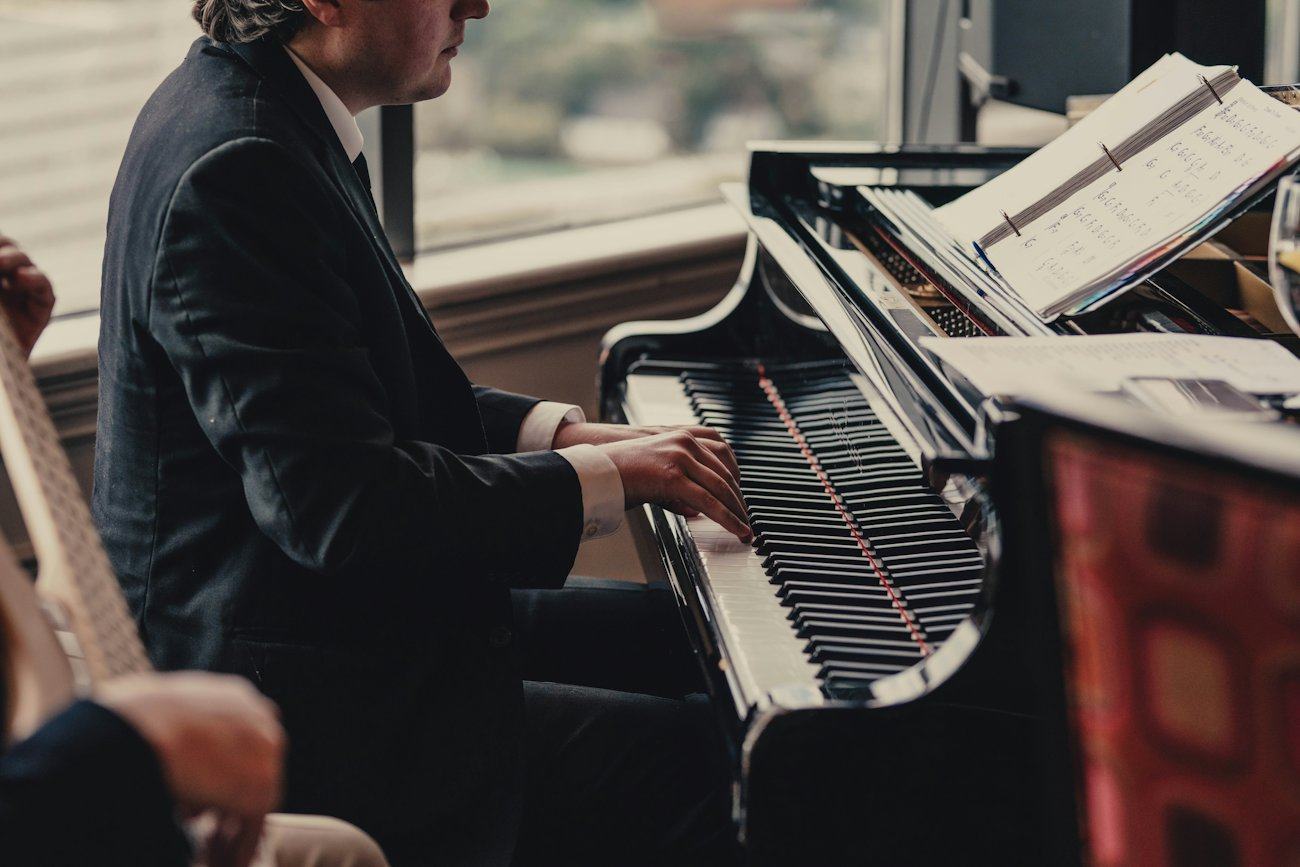
Many families have seen it happen. A parent who barely talks anymore still sings along to an old favorite. A restless afternoon settles when a familiar hymn comes on. Care professionals we spoke with in North Jersey said music is often the thing that still reaches someone with dementia when other things no longer do.
This guide explains what the research says, in plain terms, and gives you practical ways to use music at home. It also covers the difference between music therapy and music lessons, how to find a qualified music therapist in New Jersey and what to expect to pay.
What does the research say about music and dementia?
There is real promise here, and also some limits worth knowing.
- Connection and mood. The Alzheimer's Association says studies have shown music may reduce agitation and improve behavior problems that are common in the middle stages of Alzheimer's. Even in the late stages, a person may be able to tap a beat or sing lyrics to a song from childhood. Music offers a way to connect after conversation gets hard.
- Personal playlists. The National Institute on Aging (NIA) describes a large trial of personalized music playlists involving almost 1,000 nursing home residents with dementia in 54 nursing homes. It did not find that the music significantly reduced agitated behavior or the use of psychiatric drugs. Researchers said staff often had trouble finding the songs each person loved, and new trials are testing better ways to do it.
- Singing together. An NIA-funded study of community choirs for older adults found no change in thinking skills. Singers did report less loneliness and more interest in life.
- Sleep. A Rutgers nurse researcher, with NIA support, has been developing an app to help caregivers choose calming bedtime music for people with dementia. The approach uses enjoyable songs from a person's teens or early adulthood with a slow tempo of 60 to 80 beats per minute.
The fair summary: music is unlikely to slow dementia itself. What it can do is bring comfort, spark memories and give you a way to spend good time together. NIA's advice is simple. Pay attention to how your loved one responds when music plays, and notice which songs they connect with most.
How do I make a playlist that works?
The right songs matter more than the device. Start with the music your parent loved between about age 10 and 30. That is often what sticks.
- Ask and listen. Ask your parent, siblings and old friends about favorite singers, wedding songs, show tunes, religious music and music from their home country.
- Test songs one at a time. Watch for a smile, a tapping foot, humming or calmer breathing. Keep the songs that land. Drop the ones that cause tears or tension.
- Make two lists. The Alzheimer's Association suggests using music to set the mood: calm pieces for winding down, livelier songs from someone's youth to lift spirits. Label them so aides and family can use them too.
- Avoid interruptions. Choose a source without commercials, which can confuse. Download the songs or use a paid account so ads do not break in.
- Keep it simple to play. A basic speaker or a one-button music player may work better than a phone. Write instructions for anyone who helps.
Watch the volume and the setting. Turn off the television and close the windows so the music is the only sound. If your parent has trouble hearing, it may be worth checking their hearing aids too. See our guide to hearing aids.
What about singing, dancing and simple instruments?
Listening is only one way in. NIA suggests playing music, talking about the music and the artist, asking what the person was doing when a song was popular, and singing or dancing to well known songs. The Alzheimer's Association adds that clapping and moving along can add to the enjoyment.
- Sing together. Old standards, hymns and folk songs work well. Print large lyric sheets if reading still comes easily.
- Use easy instruments. Hand drums, shakers, tambourines and bells need no training. Someone who played piano for decades may still enjoy sitting at the keys, even if what comes out is simpler now. Our guide to piano for older adults has more.
- Move gently. Seated dancing, swaying or clapping to the beat counts as movement. Keep a sturdy chair nearby to prevent falls.
- Mix it up. A North Jersey practice that brings therapy into homes told us one hour on a single activity is hard for many people with dementia. They switch between music, art and conversation.
Music can also help at hard times of day. Calm music in the late afternoon may ease restlessness for some people. See our guide to sundowning.
What is the difference between music therapy and music lessons?
Both can be wonderful. They are different services.
Music therapy is a clinical service. The American Music Therapy Association (AMTA) defines it as the clinical and evidence-based use of music to reach individual goals, within a therapeutic relationship, by a credentialed professional who has completed an approved music therapy program. Goals can include managing stress, expressing feelings, supporting memory and improving communication.
The credential to look for is MT-BC, which stands for Music Therapist, Board Certified. It is granted by the Certification Board for Music Therapists (CBMT). AMTA says the credential means the therapist has met national standards for education, clinical training and practice.
New Jersey passed the Music Therapist Licensing Act in January 2020, which will create a state license under the State Board of Creative Arts and Activities Therapies. According to CBMT, the regulations needed to issue that license were still in review at our last check. Until the state license is available, ask for the MT-BC credential.
Music lessons or music companions are different. A piano teacher, a volunteer who sings with residents or a musician who visits to play favorites can bring a lot of joy. They are not doing therapy, and they do not need a clinical credential. Choose based on the goal. For comfort, company and fun, a kind musician may be enough. For agitation, anxiety, communication problems or a specific care goal, a board-certified music therapist is the better fit.
How do I find a music therapist in New Jersey, and what does it cost?
- CBMT. CBMT is the official source for checking board certification. Its online search was under development at our last check, so call 1-800-765-2268 to verify a therapist's status.
- AMTA. The AMTA website has a Find a Music Therapist page that points families to board-certified therapists.
- New Jersey Association for Music Therapy (NJAMT). The state association's website has a Find an MT page listing members.
- Montclair State University. Montclair State's John J. Cali School of Music has an AMTA-approved music therapy program, established in 1969. Its David Ott Lab for Music and Health describes itself as a resource for students, music therapists and members of the community. The school can be reached at 973-655-7212.
- Ask your care team. Adult day programs, hospice agencies, memory care communities and geriatric care managers often know local therapists. Our Find care help page lists care managers and other help.
Cost. In our October 2026 conversations with North Jersey care professionals, home visits by music therapists ran about $200. Recreation, art and music therapy home visits generally ran about $160 to $200. Many families pay privately. Ask the therapist and your insurer whether any part of the cost is covered. Free options exist too. Libraries, memory cafes and senior centers sometimes host music programs, and Alzheimer's New Jersey and the Alzheimer's Association can point you to local events.
How do I make a home visit go well?
Check the credential, ask for references and confirm the therapist carries professional liability insurance. If anyone new will be in the home, read our guide to vetting in-home help.
- Share a short life story. Hometown, work, faith, family names, favorite singers and any songs that upset them. A one page sheet helps.
- Pick the best time of day. Many people with dementia do best in the morning or early afternoon.
- Clear the room. Turn off the TV, limit visitors and have a comfortable chair ready.
- Be there the first time. Your presence helps your parent feel safe, and you will learn songs and tricks to use between visits.
- Ask for homework. A good therapist will suggest playlists or simple routines you can use the rest of the week.
- Keep a regular slot. The same day and time each week gives your parent something to look forward to.
- Talk afterward. Ask the therapist what they noticed and which songs worked. Share what you see between visits, such as better sleep, more talking or a calmer evening. Small changes are worth tracking, and they help you decide whether the visits are worth continuing.
For more ideas and support, see our guides to activities for dementia, dementia support in New Jersey and caregiver support groups. The Alzheimer's Association helpline at 1-800-272-3900 answers 24 hours a day, and Alzheimer's New Jersey's helpline is 1-888-280-6055.
Common questions
Can music slow down dementia?
There is no good evidence that it does. Research suggests music can ease agitation for some people, lift mood and help people connect, but a large nursing home trial of personal playlists did not find a significant effect on agitation. Use it for comfort and connection.
What kind of music should I play for my dad with Alzheimer's?
Start with songs he loved in his teens and twenties, plus music tied to his faith, culture and big life events. Watch how he responds and keep the songs that bring a smile or calm him.
How do I know if a music therapist is qualified?
Ask for the MT-BC credential, which is granted by the Certification Board for Music Therapists. You can verify it by calling CBMT at 1-800-765-2268. New Jersey has passed a licensing law, but the state license was not yet being issued at our last check.
How much does in-home music therapy cost in New Jersey?
In our October 2026 conversations with North Jersey care professionals, home visits by music therapists ran about $200. Ask the therapist and your insurer whether any part is covered.
Is a music teacher the same as a music therapist?
No. A music therapist is a credentialed clinician working toward care goals. A teacher or visiting musician offers lessons or enjoyment. Both can help, depending on what your family needs.
- Alzheimer's Association: Art and music
- National Institute on Aging: Could 'musical medicine' influence healthy aging?
- National Institute on Aging: Adapting activities for people with Alzheimer's disease
- American Music Therapy Association: What is music therapy?
- American Music Therapy Association: Find a music therapist
- Certification Board for Music Therapists: Find a therapist
- Certification Board for Music Therapists: State recognition for New Jersey
- New Jersey Association for Music Therapy
- Montclair State University: BA in Music Therapy
- Montclair State University: John J. Cali School of Music
- Alzheimer's Association New Jersey Chapter
- Alzheimer's New Jersey
- Seniors of NJ interviews with North Jersey instructors, families and care professionals, October 2026
This guide is for general information. Program rules and income limits change, so confirm with the official source before you apply.