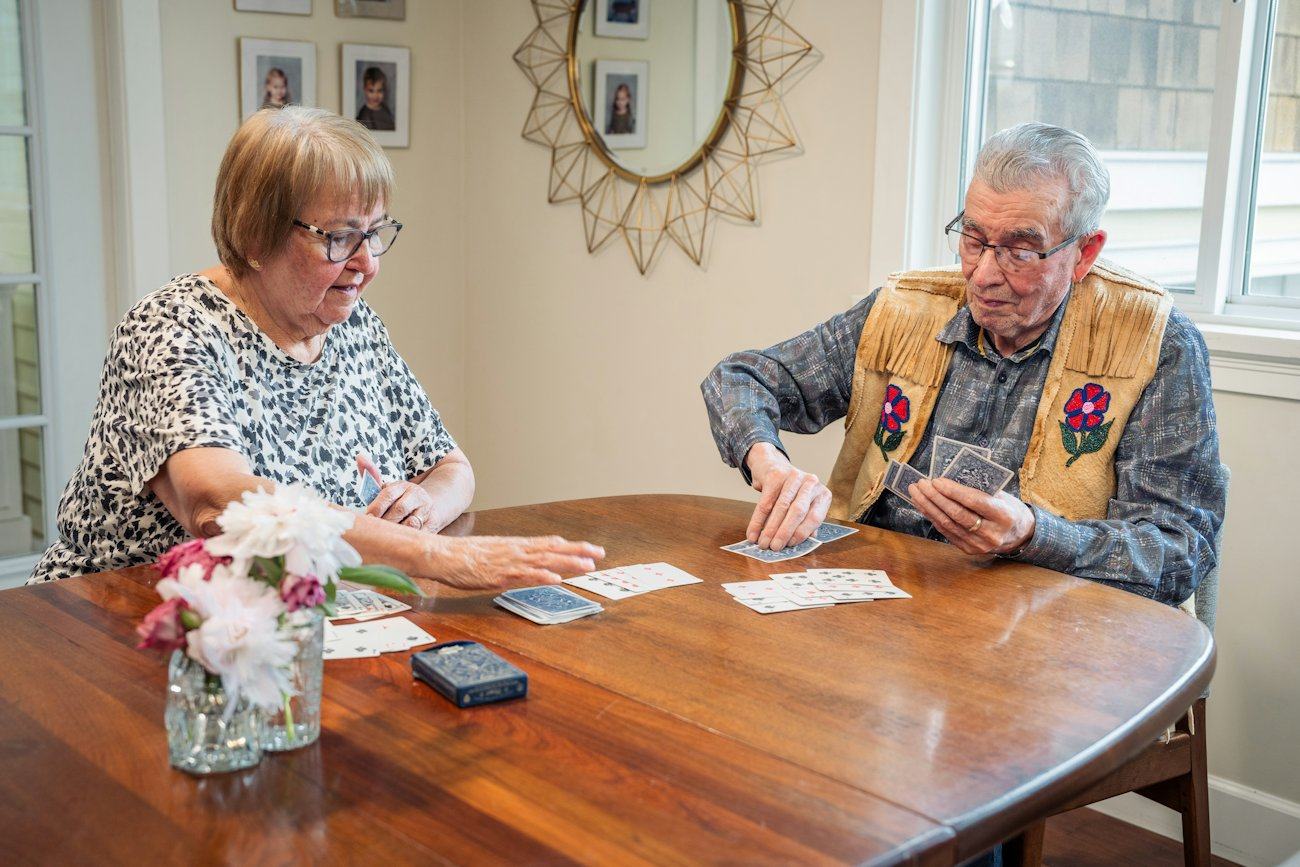
Learn something new after 60: classes and lessons across New Jersey
From Osher courses at Rutgers to piano lessons in your own living room, here is where older New Jerseyans can keep learning, and why stretching your brain is worth it.

Plenty of people stop learning on purpose after they leave school or work. Then one day they pick up a guitar, sign up for a history course or start Italian before a trip, and remember how good it feels.
New Jersey makes this easy. There are university programs built for older learners, community college courses, library classes and teachers who will come to your home. This guide walks through each option, what it costs and how to start.
Does learning something hard really help the brain?
One of the best-known studies on this question came out of the University of Texas at Dallas. It is called the Synapse Project, led by psychologist Denise Park and published in the journal Psychological Science in 2014.
Researchers assigned 221 adults aged 60 to 90 to spend about 15 hours a week, for three months, on different activities. Some learned digital photography. Some learned quilting on computerized sewing machines. Some did both. Other groups met for social activities like games and outings, or did easy tasks at home, such as listening to music and doing simple word puzzles.
The people who learned demanding new skills, particularly digital photography, showed significant improvements in memory. The social group and the easy-tasks group did not. Park's takeaway was simple. Activities need to be new and mentally challenging to have this effect. Being busy or social is good for you in other ways, but it is a different thing.
Why would photography beat a social club? Learning a camera means juggling new vocabulary, menus and techniques, and holding them in memory while you practice. That kind of sustained effort is what the researchers believed made the difference.
Keep this in perspective. It was one study with a few hundred people, and it does not prove that piano lessons prevent dementia. It does suggest a useful rule: choose something that makes you a little uncomfortable, and stick with it for months.
Where can I take college-style courses with no exams?
Osher Lifelong Learning Institute at Rutgers (OLLI-RU)
Osher Lifelong Learning Institutes are member-driven programs at universities around the country, funded in part by the Bernard Osher Foundation. New Jersey's is at Rutgers. OLLI-RU serves adults 50 and older with noncredit courses. There are no tests and no grades. The atmosphere is friendly and informal.
In-person classes in New Brunswick meet on the first floor of the Rutgers Lifelong Learning Center at 3 Rutgers Plaza, which the program describes as completely accessible. Registered students park free in the university lot with an electronic permit, sent by email about a week before classes start. OLLI-RU publishes seasonal catalogs for fall, winter, spring and summer. Call 848-932-6554 or visit olliru.rutgers.edu.
Institute for Learning in Retirement, Bergen Community College
Bergen's ILR is open to anyone 55 or older. You do not need a degree, and you do not need to be retired. Membership is $150 per semester and lets you take up to four multi-week courses plus three shorter bonus sessions. Classes meet at the Paramus campus or online, with no tests or grades. Register at 201-447-7156.
Evergreen Forum in Princeton
The Center for Modern Aging Princeton runs the Evergreen Forum, peer-led courses in literature, art, politics, history and science. Classes meet once a week for two hours, in person or online. In 2025 a six- to eight-week course cost $110, and scholarships were available for people facing financial hardship. Registration is first come, first served and fills quickly, so get on the mailing list.
Adult schools
Many towns run adult schools through the local school district. The Princeton Adult School, for example, offered more than 300 in-person and virtual classes in spring 2025. Check your town or the next town over. Classes are usually short, cheap and close to home.
Can I sit in on regular college classes?
Yes. New Jersey law, N.J.S.A. 18A:62-3, lets public colleges and universities waive tuition for residents 65 and older. Seats must be available, and fees usually still apply. Many schools only let seniors register on or after the first day of classes. Each campus sets its own rules, so call the registrar first.
Community colleges are the friendliest place to start. They are close to home, parking is easy and classes run from accounting to watercolor. Most also run noncredit continuing education with personal-interest courses in cooking, photography, languages and fitness. Our guide to free and discounted things to do explains the tuition waiver in more detail.
What do libraries offer?
Your public library is a free classroom. Most New Jersey libraries offer some mix of book clubs, author talks, art workshops, local history lectures, knitting circles and technology help. Many also give cardholders free access to online learning services, including language courses and video classes. Ask a librarian what your card includes. You may be surprised.
For technology, Senior Planet from AARP is excellent. It offers free online classes on everything from smartphones to video calls, and a free tech hotline at 888-713-3495, open Monday through Saturday in English, Spanish and Mandarin. Callers who need more help can book a free one-on-one video session with a volunteer.
How do I pick music, art or a language?
Think about what you will still want to do in month three, when the novelty wears off. A few questions help:
- Do you want company? Choirs, community bands, drawing groups and conversation tables give you friends along with skills.
- Do you want a goal? Learning a language for a trip, or a song for a grandchild's birthday, keeps you practicing.
- What does your body allow? Arthritis in the hands may point toward voice, drawing with thicker tools or a keyboard with lighter keys. Ask a teacher to adapt.
- How much can you practice? Twenty minutes most days beats two hours once a week.
Some New Jersey options to look for: community bands and choruses that welcome adult beginners, county arts councils that list classes, art centers with weekday studio courses, and library conversation groups for English and other languages. A college course in Spanish or Italian, taken under the senior tuition waiver, is another affordable path.
Beginners are welcome almost everywhere. The hardest part is usually walking in the door for the first lesson. Tell the teacher you are starting from zero, and let them set the pace.
Signing up for too much at once and burning out. Picking only what you already know. Quitting after a hard week. Paying for a long package before trying one class. Start small, choose something new and give it a full season.
What if I can't get to a class?
Driving at night, mobility problems or caring for a spouse can make classes hard to reach. The answer may be bringing the teacher to you. Private lessons at home let you learn at your own pace, in a familiar room, with no stairs to climb or parking to find.
In Essex County, Home Happenings sends local teachers to people's homes for lessons in piano, guitar, painting, yoga and more. It is one example of a growing kind of service built for people who want to keep learning while aging in place. Elsewhere, ask at your library, a local music store or your senior center for teachers who travel.
Ask for references and how long they have taught adults. Ask whether they are insured and background-checked. Agree on the price, length and cancellation rules in writing. Start with one trial lesson before buying a package.
- Pick one thing. Choose a skill that is new and a bit hard.
- Find the format. Class, club, online or at home.
- Commit to a season. Sign up for a full term or eight to twelve lessons.
- Bring a friend. A partner makes you more likely to keep showing up.
- Check in at three months. Notice what you can do now that you could not do before.
Whatever you choose, tell people about it. Saying "I'm learning the guitar" out loud tends to keep you practicing, and it gives friends and grandchildren something new to ask you about.
Learning is also one of the easiest ways to meet people. For more on that, read our guide to staying connected in New Jersey, and for brain and body health more broadly, see healthy aging in New Jersey.
Common questions
Who can join OLLI at Rutgers?
OLLI-RU serves adults 50 and older. Courses are noncredit with no tests or grades. Call 848-932-6554 or visit olliru.rutgers.edu for the current catalog and fees.
Can I take college classes for free at 65 in New Jersey?
Public colleges may waive tuition for residents 65 and older when space is available, under N.J.S.A. 18A:62-3. You usually still pay fees, and registration is often limited to the first day of classes or later.
What did the Synapse Project find?
In a 2014 study in Psychological Science, adults 60 to 90 who spent about 15 hours a week for three months learning demanding new skills, particularly digital photography, showed memory improvements. Groups doing social or easy activities did not.
Where can I get free help learning my phone or computer?
Try your public library, or call the Senior Planet from AARP tech hotline at 888-713-3495, Monday through Saturday.
- UT Dallas: Mentally challenging activities improve memory (Synapse Project)
- Rutgers: Osher Lifelong Learning Institute
- OLLI-RU: Locations
- Bergen Community College ILR: FAQ
- Princeton Info: Opportunities for adult learners
- William Paterson University: Senior Citizen Waiver
- AARP: Senior Planet technology hotline
- Home Happenings
This guide is for general information. Program rules and income limits change, so confirm with the official source before you apply.
Lessons that come to you
Home Happenings sends vetted local teachers to homes in Essex County for piano, painting, yoga and more. Coming soon to Essex County