After a dementia diagnosis: where New Jersey families can turn
Helplines, memory cafes, adult day and respite programs, safety steps and the legal planning to do now, for New Jersey families facing Alzheimer's or another dementia.
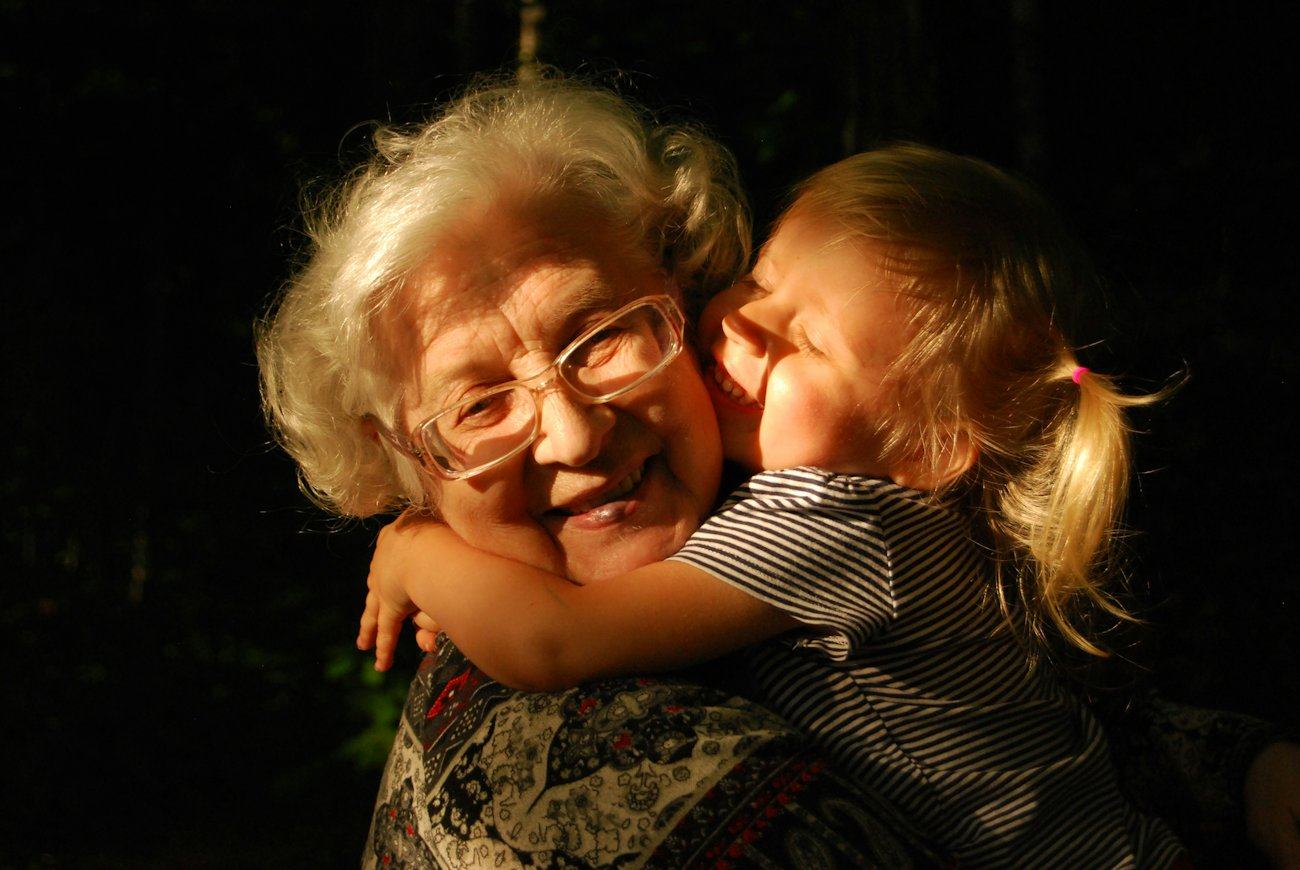
A dementia diagnosis lands differently in every family. Some feel relief at finally having a name for what has been happening. Others feel shock, grief or fear. Most feel all of those within the same week.
What helps most is knowing that you do not have to figure this out alone. New Jersey has two strong dementia organizations, free helplines, memory cafes in libraries and town halls, state-funded adult day and respite programs, and county safety programs. This guide shows you where to start and what to do in the first months.
What should we do in the first few weeks?
You do not need to solve everything at once. Focus on a short list.
- Understand the diagnosis. Ask the doctor what type of dementia it is, what stage, and what to expect over the next year. Ask whether any treatments or clinical trials might fit.
- Make one call for support. Call one of the helplines below. A trained person can listen and point you to local help.
- Get the legal papers done while your loved one can still take part. More on this below.
- Look at safety. Driving, medications, the stove and wandering are the big four.
- Tell the people who need to know. Close family, a trusted neighbor and, if your loved one is comfortable, friends from church or the senior center.
If the person with the diagnosis is your parent, include them in decisions as much as possible. Early on, many people can say clearly what they want. Writing it down now spares the family hard guessing later.
Who can we call in New Jersey?
Two separate nonprofits serve New Jersey families, and you can use both.
| Organization | Phone | Hours |
|---|---|---|
| Alzheimer's New Jersey (Roseland) | 1-888-280-6055 | Monday to Friday, 8:30 a.m. to 5 p.m. |
| Alzheimer's Association, New Jersey Chapter | 1-800-272-3900 | 24 hours a day, 7 days a week |
| Aging and Disability Resource Connection (ADRC) | 1-877-222-3737 | Connects you to your county office on aging |
Alzheimer's New Jersey is a New Jersey nonprofit based in Roseland. Its professionally staffed helpline offers confidential guidance, help with planning and referrals, with translation in many languages. It also runs family support groups, caregiver education and a respite and wellness program.
The Alzheimer's Association New Jersey Chapter is part of the national organization. You may see it called the Greater New Jersey Chapter in older materials. Its helpline answers around the clock, which matters at 3 a.m. when you are not sure what to do. The chapter lists caregiver support groups, early-stage groups for people living with the diagnosis, and free education programs.
What is a memory cafe?
A memory cafe is a relaxed, social gathering for people living with memory loss and the people who care for them. There may be music, art, a speaker or just coffee and conversation. Nobody has to explain anything. For many couples, it is the first outing in months where they both feel at ease.
In New Jersey, public libraries and towns host many of them. Examples include the Montclair Memory Cafe (a joint effort of the township and the Montclair Public Library), the East Brunswick Public Library and the Somerset County Library System's Manville branch. Schedules change, so call ahead. To find one near you, search the Dementia Friendly America memory cafe directory, ask your library, or ask either helpline.
For other low-pressure outings, see our guide to staying connected in New Jersey.
Could an adult day program help?
Adult day programs give the person with dementia a safe, structured day with activities, meals and company. They give the caregiver regular weekday hours to work, rest or run errands. Many offer transportation.
Social adult day programs focus on activities and supervision. Adult medical day programs add nursing, therapy and help with personal care. Many centers in New Jersey have dementia-specific programs, so ask.
Alzheimer's Adult Day Services Program
The NJ Division of Aging Services runs the Alzheimer's Adult Day Services Program. It helps pay for adult day care for people with a physician-documented diagnosis of Alzheimer's or a related dementia who live in the community and have an unpaid caregiver. The subsidy covers 20% to 100% of the cost, for up to five days a week.
- The state's posted 2025 limits were $50,256 in annual income and $40,000 in liquid assets for a single person, and $58,632 and $60,000 for a married couple. Ask for the current figures.
- People enrolled in Medicaid, MLTSS, JACC or the Statewide Respite Care Program cannot use it at the same time.
- You apply through a participating adult day center. The program office is at 609-438-4733.
What respite help is available?
Caring for someone with dementia is a marathon. Caregivers who take regular breaks tend to last longer. New Jersey's Statewide Respite Care Program and Jersey Assistance for Community Caregiving (JACC) can help pay for aides, adult day care and short facility stays. Both are reached through the ADRC at 1-877-222-3737. Our caregiver respite guide covers the 2026 income limits and how to apply.
If paid help at home is the answer, read our guide to choosing a home care agency in New Jersey. Ask agencies whether their aides have dementia training.
How do we keep our loved one safe?
Wandering
Many people with dementia wander or get lost at some point, even on familiar walks. Plan before it happens.
- Keep a recent photo and a written description on hand.
- Consider an ID bracelet with a contact phone number.
- Ask your county sheriff's office about Project Lifesaver. Several New Jersey sheriffs, including Morris County, run this program, which uses a radio transmitter worn on the wrist to help officers find someone quickly.
- Tell trusted neighbors so they can call you if they see your loved one out alone.
If your loved one goes missing, call 911 right away. Do not wait. New Jersey has a Silver Alert system for missing people with dementia or another cognitive impairment, and police can request one when the person is believed to be driving and in danger.
Driving
Dementia eventually makes driving unsafe, but the timing differs for every person. Ask the doctor for guidance, and consider a professional driving evaluation. Our guide to driving later in life in New Jersey covers how to have the conversation and other ways to get around.
At home
Lock up medications, firearms and car keys if needed. Consider stove shut-off devices, nightlights and removing loose rugs. Our guide to aging in place has more ideas.
Money
People with memory loss are frequent targets of scams. Watch for new "friends," unusual withdrawals and unfamiliar subscriptions. See our guide to scams in New Jersey.
What legal and financial planning should we do now?
This is the most time-sensitive step. A person must have enough capacity to sign legal documents. In early dementia, many people still can. Later, the family may need a court-appointed guardian, which takes time and money.
- Durable power of attorney. Names someone to handle money and property.
- Advance directive. Names a health care representative and records wishes about treatment.
- A will, and a review of beneficiaries on bank, retirement and insurance accounts.
- A plan for long-term care costs. Medicaid planning has strict look-back rules. An elder law attorney can explain them.
Our estate planning guide explains each document. For how Medicaid pays for long-term care, see our guide to Medicaid and MLTSS.
How do we plan for the road ahead?
Dementia usually changes slowly, over years. Needs that seem far off now, such as help with bathing or supervision through the night, tend to arrive gradually. Families who talk about the next stage early make calmer choices when it comes.
Use the doctor visits well. Bring one written page with changes you have noticed since the last appointment: sleep, mood, falls, weight, confusion at night, trouble with pills. Ask what to watch for next, and which changes mean you should call right away. Sudden new confusion can have another cause, such as an infection or a medication problem, and is worth a prompt call.
Talk, too, about where care will happen as needs grow. Some families add paid help at home. Others look at assisted living with a memory care unit, or a nursing home. Visit a few places before you need one, so a hospital stay does not force a rushed choice. Our guide to housing options in New Jersey explains the differences, and our hospital discharge guide covers what to do if a hospital stay comes first.
Here is a hypothetical example. Say your mother in Freehold was diagnosed this fall and still lives alone. A reasonable first-year plan might be a helpline call this week, legal papers signed this month, a memory cafe once a month, an adult day program two days a week by spring, and a family check-in every few months to decide what comes next.
Where can caregivers find support?
Support groups are where caregivers learn the practical tricks nobody else teaches, and where they feel understood. Both Alzheimer's New Jersey and the Alzheimer's Association list groups across the state, in person and online. Some groups are for spouses, some for adult children, and some for people living with early-stage dementia themselves.
Also look after your own health. Keep your own doctor appointments. Accept help when it is offered, and be specific when you ask for it: "Can you sit with Mom on Thursday afternoon?" works better than "Let me know if you can help." A geriatric care manager can take some of the coordination off your plate.
Common questions
Who do I call after a dementia diagnosis in New Jersey?
Call the Alzheimer's Association 24/7 Helpline at 1-800-272-3900 or the Alzheimer's New Jersey Helpline at 1-888-280-6055 on weekdays. For state programs, call the ADRC at 1-877-222-3737 to reach your county office on aging.
What is the difference between Alzheimer's New Jersey and the Alzheimer's Association?
Alzheimer's New Jersey is an independent New Jersey nonprofit based in Roseland. The Alzheimer's Association New Jersey Chapter is part of the national organization. Both offer helplines, support groups and education, and families can use both.
Are there memory cafes in New Jersey?
Yes. Libraries and towns host many, including in Montclair, East Brunswick and the Somerset County Library System's Manville branch. Search the Dementia Friendly America memory cafe directory or ask your local library.
Does New Jersey help pay for adult day care for someone with dementia?
Yes. The Alzheimer's Adult Day Services Program covers 20% to 100% of adult day costs for eligible people with a documented dementia diagnosis, up to five days a week. Income and asset limits apply, and you apply through a participating adult day center.
What should I do if someone with dementia goes missing?
Call 911 right away and give police a recent photo and description. New Jersey has a Silver Alert system, and some county sheriffs run Project Lifesaver tracking bracelets for people at risk of wandering.
- Alzheimer's Association New Jersey Chapter
- Alzheimer's New Jersey: Helpline
- NJ Division of Aging Services: Alzheimer's Adult Day Services Program
- NJ Division of Aging Services: Statewide Respite Care Program
- NJ Division of Aging Services: Jersey Assistance for Community Caregiving (JACC)
- Dementia Friendly America: Memory cafe directory
- Dementia Friendly America: Montclair Memory Cafe listing
- New Jersey State Police: Silver Alert criteria
- Morris County Sheriff's Office: Project Lifesaver
This guide is for general information. Program rules and income limits change, so confirm with the official source before you apply.

Lessons that come to you
Home Happenings sends vetted local teachers to homes in Essex County for piano, painting, yoga and more. Coming soon to Essex County