How to stay active and social through a New Jersey winter
Indoor walking spots, the gym benefit hiding in your Medicare plan, warming centers and the real risks of shoveling. A practical plan for the cold months.

A New Jersey winter can shrink your world fast. A week of ice, an early sunset and a car that stays in the driveway can leave you inside more than is good for body or mood. The fix is a plan made now, while the roads are still clear.
This guide covers where to walk indoors, how to use the fitness benefit that may already come with your Medicare plan, where to find company on gray afternoons, and how to stay safe when the cold turns serious. We checked every detail against official sources in October 2026.
Where can I walk indoors when it is icy?
Malls have long doubled as winter walking tracks. They are flat, heated and lit, and there are benches and restrooms every few hundred feet. Several New Jersey malls officially welcome walkers before stores open:
- Cherry Hill Mall opens early every morning for mall walkers. Doors open at 9 a.m., seven days a week.
- Moorestown Mall welcomes walkers one hour before posted shopping hours each day.
- Bridgewater Commons hosts HealthHike, a free walking program run with RWJ University Hospital Somerset. Walkers can start as early as 6:30 a.m. Monday through Saturday and at 9 a.m. Sunday. Sign up at the mall management office on weekdays to get an ID badge and a mileage card. Monthly meetings with health speakers run October through June. Call 908-595-2345.
Mall hours change, so confirm on the mall's website before you go. If no mall near you has a program, ask your town's recreation department or senior center. Some community centers and schools open gyms or tracks to residents in winter. Your local YMCA is another option, and many Ys take the Medicare fitness benefits described below.
Does my Medicare plan pay for a gym?
Original Medicare does not cover gym memberships. Many Medicare Advantage plans, and some Medicare Supplement (Medigap) plans, include a fitness program at no extra cost. The two you will hear about most are SilverSneakers and Renew Active.
SilverSneakers
SilverSneakers is offered through select Medicare Advantage and Medicare Supplement plans. Your eligibility depends on your plan, not your income. Here is how it works:
- Check eligibility. Use the SilverSneakers eligibility checker with the name and member ID exactly as they appear on your insurance card.
- Get your member ID. Create an account at SilverSneakers.com and download or print your SilverSneakers ID.
- Pick a location. Use the location finder to see partner gyms near you.
- Show your ID at the front desk. That is it. Classes held at community centers and parks, plus live and on-demand online classes, are included too.
Renew Active
Renew Active comes only with UnitedHealthcare Medicare plans. It includes a standard gym membership at participating locations at no additional cost, plus online classes and brain-health content. The gym network varies by plan and area, and not every plan includes it. Questions: 1-855-604-1588 (TTY 711).
Medicare open enrollment runs October 15 to December 7. If a fitness benefit matters to you, check each plan's Evidence of Coverage before you switch. For free, unbiased help comparing plans, call New Jersey's SHIP counselors at 1-800-792-8820. Our guide to Medicare Advantage vs. Medigap explains the trade-offs.
Where can I find company on long winter days?
Your public library is often the warmest, friendliest building in town. Most New Jersey libraries run free book clubs, movie afternoons, technology help, craft groups and lectures through the winter. Many county library systems post their calendars online, and staff will gladly read the schedule to you over the phone.
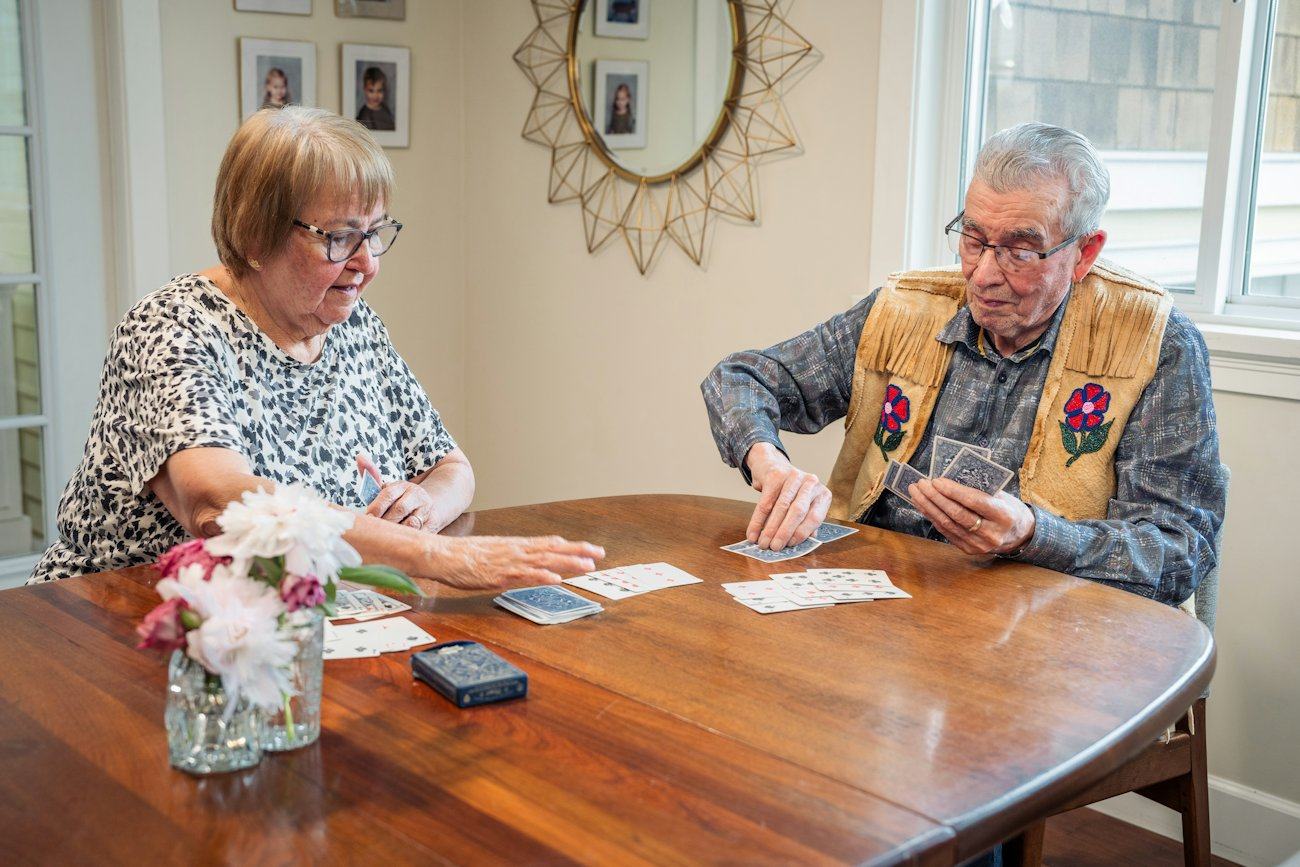
Senior centers are the other anchor. Expect exercise classes, cards, lunch programs and day trips. Some arrange rides for members. To find the center nearest you, call the Aging and Disability Resource Connection at 1-877-222-3737 or dial 2-1-1.
Holiday light shows and seasonal events help break up December. Parks, zoos and botanical gardens around the state run evening light displays, and many towns hold tree lightings and holiday markets. Storybook Land in Egg Harbor Township, for example, runs its Christmas Fantasy with Lights season, with tickets sold online only starting October 28. Check each event's website for dates, as schedules are often set late in the fall. Weeknights tend to be less crowded, and some displays can be seen from a car.
What is a Code Blue, and where can I go to get warm?
Under New Jersey law, a county declares a Code Blue when temperatures will reach 32 degrees Fahrenheit or lower, or when the National Weather Service wind chill will be zero or below for at least two hours. During a Code Blue, counties open warming centers. These are mainly for people without shelter, but anyone who loses heat at home can ask for help.
- Check current activations and warming centers by county at nj211.org/njcodeblue.
- Call 2-1-1 or the Statewide Homeless Hotline at 1-877-652-1148 after hours.
- Many public libraries, shopping centers and senior centers serve as warming spots during business hours.
Staying safe in the cold
Aging makes it harder to notice when your body is getting too cold. The National Institute on Aging advises setting your heat to at least 68 degrees, since even a home at 60 to 65 degrees can lead to hypothermia in older adults. Wear layers indoors, close the curtains at night and limit alcohol.
Know the warning signs of hypothermia: shivering, exhaustion, confusion, fumbling hands, memory loss, slurred speech and drowsiness. Hypothermia is a medical emergency. Call 9-1-1.
New Jersey's Winter Termination Program protects eligible households from utility shutoffs from November 15 through March 15. You may qualify if you receive PAAD, Lifeline, the Universal Service Fund, home energy assistance (LIHEAP) or SSI, or if you cannot pay because of illness, medical bills, job loss or a death in the family. LIHEAP applications are open October 1, 2026 to June 30, 2027. See our guide to food and utility help.
Should I still shovel snow?
Think hard before you pick up the shovel. The American Heart Association warns that shoveling heavy snow can raise the risk of a heart attack or sudden cardiac arrest. It is mostly arm work, which strains the heart more than leg work. People often hold their breath while lifting, and cold air tightens blood vessels.
The AHA's advice is direct. If you have heart disease or risk factors such as high blood pressure, diabetes, high cholesterol, smoking or a past heart attack or stroke, have someone else clear the snow. If you must do it yourself:
- Start slowly and take breaks.
- Push or sweep snow rather than lifting and throwing it. Use a snow blower if you have one.
- Cover your nose and mouth and dress in layers, with a hat and gloves.
- Stop right away if you feel chest pain or pressure, lightheadedness or a racing or irregular heartbeat. Call 9-1-1 if it does not ease quickly.
Line up help before the first storm. A neighbor's teenager, a local landscaper or a church volunteer group can be booked in advance. Keep a bag of ice melt or sand by the door, and wear rubber-soled, low-heeled boots.
How do I handle winter driving, or not driving at all?
New Jersey law requires you to clear all snow and ice from your vehicle, including the hood, windows and roof, before you drive. Fines run $25 to $75 per offense, even if nothing flies off. If flying ice or snow causes injury or property damage, fines rise to $200 to $1,000.
The state's winter driving advice:
- Drive at or below the speed limit and leave 8 to 10 seconds behind the car ahead.
- Give snowplows plenty of room and avoid passing them.
- If you skid, take your foot off the gas and gently steer in the direction the rear of the car is sliding.
- Keep a kit in the car: ice scraper, blanket, flashlight, phone charger, water and snacks.
- Check road conditions at 511nj.org before you leave.
Winter is also a natural time to think about cutting back. Many people stop driving at night or in bad weather first. Our guide to driving later in life covers how to make that call and what transportation options exist. NJ Transit offers reduced fares for riders 62 and older, and county transportation services can help with medical trips and errands.
When you cannot get out, keep in touch on purpose. Set up a daily check-in call with a friend or relative, join a phone or video group through your library or senior center, and arrange grocery and prescription delivery before a storm hits. See our guide to staying connected for more ideas.
Common questions
Does Original Medicare pay for SilverSneakers?
No. SilverSneakers comes through select Medicare Advantage and Medicare Supplement plans. Renew Active comes only with UnitedHealthcare Medicare plans. Check your plan's Evidence of Coverage or call SHIP at 1-800-792-8820 for help comparing plans.
How do I find a warming center near me?
Visit nj211.org/njcodeblue to see which counties have a Code Blue in effect and where warming centers are open. You can also dial 2-1-1 or call 1-877-652-1148. Libraries and senior centers often serve as warm places during business hours.
What temperature should I keep my home in winter?
The National Institute on Aging recommends at least 68 degrees. Even a home kept at 60 to 65 degrees can lead to hypothermia in older adults.
Is it safe for me to shovel snow?
The American Heart Association advises people with heart disease or risk factors such as high blood pressure, diabetes or a past heart attack to have someone else do it. If you shovel, go slowly, push rather than lift, and stop if you feel chest pain or lightheaded.
Can my utility shut off my heat in winter?
If you qualify for the Winter Termination Program, your service cannot be cut off from November 15 through March 15. Recipients of PAAD, Lifeline, USF, LIHEAP and SSI qualify, as do people facing hardship such as illness or job loss. Contact your utility to enroll.
- Cherry Hill Mall: Morning Mall Walk
- Moorestown Mall: Morning Mall Walk
- RWJBarnabas Health: HealthHike Walking Program
- SilverSneakers: How it works
- SilverSneakers: Check eligibility
- UnitedHealthcare: Renew Active
- NJ 211: New Jersey Code Blue
- Ocean County: Code Blue information
- National Institute on Aging: Cold weather safety for older adults
- CDC: Preventing hypothermia
- NJ DCA: Winter Termination Program
- American Heart Association: Shoveling snow can be dangerous in extreme cold
- NJ Office of Attorney General: Ice and Snow, Remove It Before You Go
- Storybook Land
This guide is for general information. Program rules and income limits change, so confirm with the official source before you apply.

Lessons that come to you
Home Happenings sends vetted local teachers to homes in Essex County for piano, painting, yoga and more. Coming soon to Essex County