Mahjong, canasta and bridge for seniors in New Jersey
Why table games are good company for the mind, how long each one takes to learn, where to find lessons and games in New Jersey, and how to keep playing at home, including with someone who has memory loss.
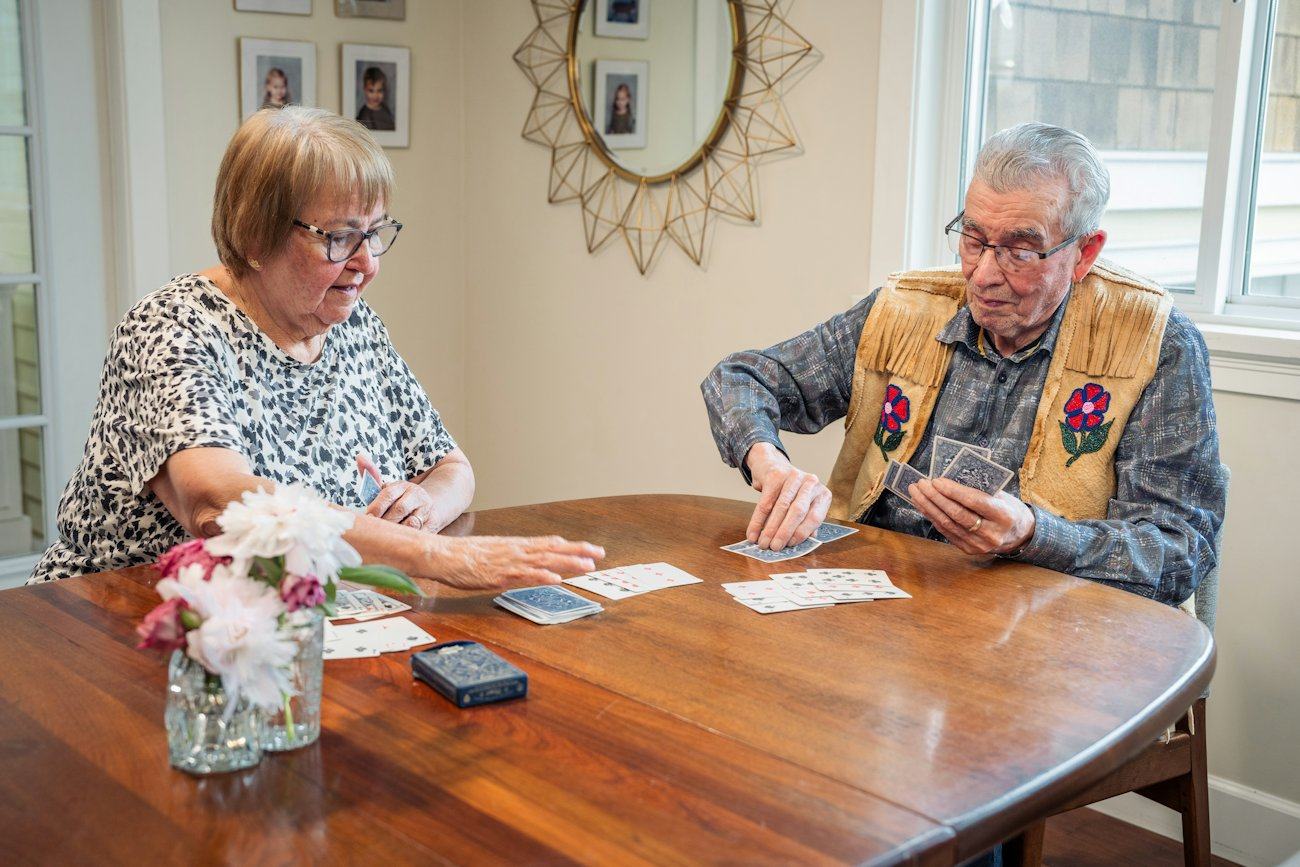
Walk into almost any New Jersey senior center on a weekday afternoon and you will hear it: the click of mahjong tiles, a shuffle of cards, someone laughing about a hand that went wrong. Mahjong, canasta and bridge have kept friendships going for generations. They give the week a shape, and they give people a reason to get dressed and go out.
This guide is for older adults who want to learn or return to these games, and for sons, daughters and spouses who are looking for something their mom or dad will actually look forward to. It covers what the research says, how hard each game is, how lessons usually work, where to play in New Jersey and how to keep a game going at home.
Are card and tile games good for the brain?
The honest answer is that they are good for people, and probably good for the brain, but nobody can promise they prevent memory loss.
The National Institute on Aging (NIA) says staying engaged in meaningful activities may have cognitive benefits. It points to one study where older adults who learned demanding new skills, quilting or digital photography, had more memory improvement than people who only socialized. It also notes that evidence for a lasting effect from these kinds of activities is not definitive, and it warns readers to be wary of claims that computer brain games can improve memory and thinking.
The social side has stronger support. NIA reports that in its long running Health and Retirement Study, people 65 and older with high social engagement had better cognitive health later in life. Its list of ways to stay connected starts with a simple one: play cards or other games with friends, in person or online.
That is where these games shine. You have to remember what has been played, plan a few moves ahead and read your partners. You also have to show up, every week, with the same people. In our October 2026 conversations with North Jersey instructors, families and care professionals, the outcomes people named again and again were staying sharp, seeing people and having something to look forward to every week.
How hard is each game to learn?
Mahjong
Most groups in New Jersey play American mahjong, which uses tiles and a printed card of winning hands. The National Mah Jongg League (NMJL) publishes a new card every year, so even longtime players relearn some hands every year. The 2026 card costs $14 in standard size and $15 in large print, which is easier on the eyes. The League also sells an online version of the game by subscription for people who want to practice from home.
Instructors told us you cannot really learn mahjong in one lesson. Four weeks works better than three. They also said the game has become very popular with younger players, often people in their late 30s to mid 50s. Some newcomers over 65 found the first lessons overwhelming. People who already play, though, often keep playing well into their 80s.
Canasta
Canasta is a rummy style card game where you build sets of matching cards. Many people find it gentler to learn than mahjong or bridge, and it is easy to play at a kitchen table. Instructors told us it is harder to teach online than mahjong, so in person lessons are best.
Bridge
Bridge is the most demanding of the three. Instructors described it as the hardest to learn and the most mentally taxing. It is played by four people in two partnerships, with a bidding stage before any cards are played. That challenge is part of the appeal. People who love bridge tend to love it for life.
How are lessons usually taught?
Most teachers in North Jersey teach in small groups. In our October 2026 conversations, mahjong, canasta and bridge instructors described a typical course like this:
- Group size: about 3 to 8 students at one table.
- Length: 3 to 4 weekly sessions, each about 2 hours.
- Cost: often about $200 per person for the whole course.
- Format: some teach mahjong over Zoom. Canasta and bridge usually work better face to face.
Private lessons at home cost more. Instructors we spoke with generally charge about $60 to $150 an hour for one on one teaching at home, depending on the activity and how far they travel. A home lesson makes the most sense when getting out is hard, or when a group of friends wants to learn together around their own table.
Senior center and library classes are often free or low cost, so ask there first. Prices change, so confirm with whoever runs the class.
Where can I learn or play in New Jersey?
Senior centers. Many New Jersey senior centers host weekly mahjong, canasta or bridge games, and some offer beginner lessons. The Aging and Disability Resource Connection (ADRC) at 1-877-222-3737 connects you to your county office on aging, which can tell you what centers near you offer. You can also browse our county pages, including our guide to senior centers in Essex County.
Public libraries. Many libraries run open mahjong or card afternoons, and some offer beginner series. Check your library's events calendar or ask at the desk.
JCCs, community colleges and lifelong learning programs. Jewish community centers in New Jersey often have strong mahjong and bridge groups open to the whole community. Community college continuing education departments and lifelong learning programs sometimes offer game classes too. Our guide to learning something new lists programs for older adults around the state.
Bridge clubs. The American Contract Bridge League (ACBL) is the governing body for bridge in North America. Its website has a club directory you can search by city, state or ZIP code, plus directories of classes and teachers. Two ACBL units serve North and Central Jersey: the North Jersey Bridge Association (Unit 106) and the New Jersey Bridge League (Unit 140), both part of ACBL District 3. Southern New Jersey falls in District 4, where the Philadelphia Contract Bridge Association (Unit 141) lists clubs including the South Jersey Bridge Club.
For complete beginners, the ACBL runs Trickstarter, a free 75-minute Zoom class that teaches a simplified version of the game with no bidding. It also offers a free guest membership with games just for newer players. The ACBL help desk is at 662-253-3191.
Many older adults stop playing only because they can no longer drive to the game. If that is the issue, ask your county office on aging about senior transportation, look at our guide to driving later in life, or move the game to your living room.
How do I start a regular game at home?
A home game is one of the easiest ways to keep someone social, especially after surgery, a move or giving up the car.
- Find your table. Bridge needs four players, and mahjong is usually played with four. Canasta is more flexible. Ask neighbors, old friends, people from your house of worship or a senior center group.
- Pick a standing time. Same day, same hour, every week. A routine makes it more likely people come back.
- Set up for comfort. Good lighting, a sturdy table and chairs with arms. Large print cards, a large print mahjong card and card holders help with arthritis and low vision.
- Keep the stakes small. Many groups play for nickels or for nothing. The point is the company.
- Bring in a teacher if needed. A few home lessons can get a new group started. If a stranger is coming into the home, read our guide to vetting in-home help first.
If your parent lives far away, a weekly video call game can work too. Many families pair this with help from a grandchild who sets up the tablet. Our guide to getting tech help can make that easier.
Can someone with memory loss still play?
Often, yes, at least for a while, and with some changes. Long practiced skills can last longer than new memories. A person who played bridge for 50 years may still recognize a good hand even when other things are slipping.
The National Institute on Aging suggests matching the activity to what the person can do now, helping them get started, watching for frustration and making sure they feel successful. It also says it is fine for someone to simply watch if they enjoy that more.
- Simplify the game. Play open hands, skip the bidding or play a simpler cousin of the game, like rummy or a matching game with the mahjong tiles.
- Play as partners. Sit beside them and make decisions together so they stay in the game.
- Keep it short. Thirty to forty five minutes may be plenty. Stop while it is still fun.
- Choose the best time of day. Many people with dementia do better in the morning or early afternoon.
- Stay kind about mistakes. Nobody needs to be corrected on the rules. The goal is connection.
A care manager we spoke with described a client with dementia who had stopped going to his bridge club and would welcome a partner to play with him at home. If the club no longer works, a patient friend, family member or paid companion can keep the game alive at the kitchen table.
For more ideas, see our guides to activities for dementia and staying connected.
Common questions
Is it too late to learn mahjong or bridge at 75?
No. Plenty of people learn in their 70s and beyond. Choose a beginner group, plan on at least four lessons, and practice between classes. Bridge takes the longest to learn, so canasta or mahjong may be an easier start.
How much do mahjong or bridge lessons cost in New Jersey?
In our October 2026 conversations with North Jersey instructors, a group course of 3 to 4 weekly sessions was often about $200 a person. Private lessons at home generally ran about $60 to $150 an hour. Senior center and library classes are often free or low cost.
My mom used to play bridge but stopped after her dementia diagnosis. How can we get her playing again?
Try a relaxed game at home with a patient partner who sits beside her. Simplify the rules, keep sessions short and play at her best time of day. If bridge is too much now, a simpler card game with the same friends can keep the social part going.
Where do I buy the mahjong card?
The National Mah Jongg League sells it on its website. The 2026 card is $14 for the standard size and $15 for large print. A new card comes out every year.
How do I find a bridge club near me?
Use the club directory on the American Contract Bridge League website and search by ZIP code. Many clubs offer games for newer players. You can also call the ACBL at 662-253-3191.
- National Institute on Aging: Cognitive health and older adults
- National Institute on Aging: Participating in activities you enjoy as you age
- National Institute on Aging: Adapting activities for people with Alzheimer's disease
- National Mah Jongg League: Store (2026 card prices)
- National Mah Jongg League
- American Contract Bridge League: Play Bridge
- ACBL District 3 (Units 106, 140 and others)
- New Jersey Bridge League (ACBL Unit 140)
- Philadelphia Contract Bridge Association (ACBL Unit 141, District 4)
- NJ 211: Nutrition programs for senior citizens (ADRC number)
- Seniors of NJ interviews with North Jersey instructors, families and care professionals, October 2026
This guide is for general information. Program rules and income limits change, so confirm with the official source before you apply.