What in-home lessons cost in North Jersey (2026)
Prices for trainers, therapists, card game courses, memoir writers and private teachers who come to an older adult's home, from our October 2026 conversations with instructors and families, plus free options and how to check who you hire.
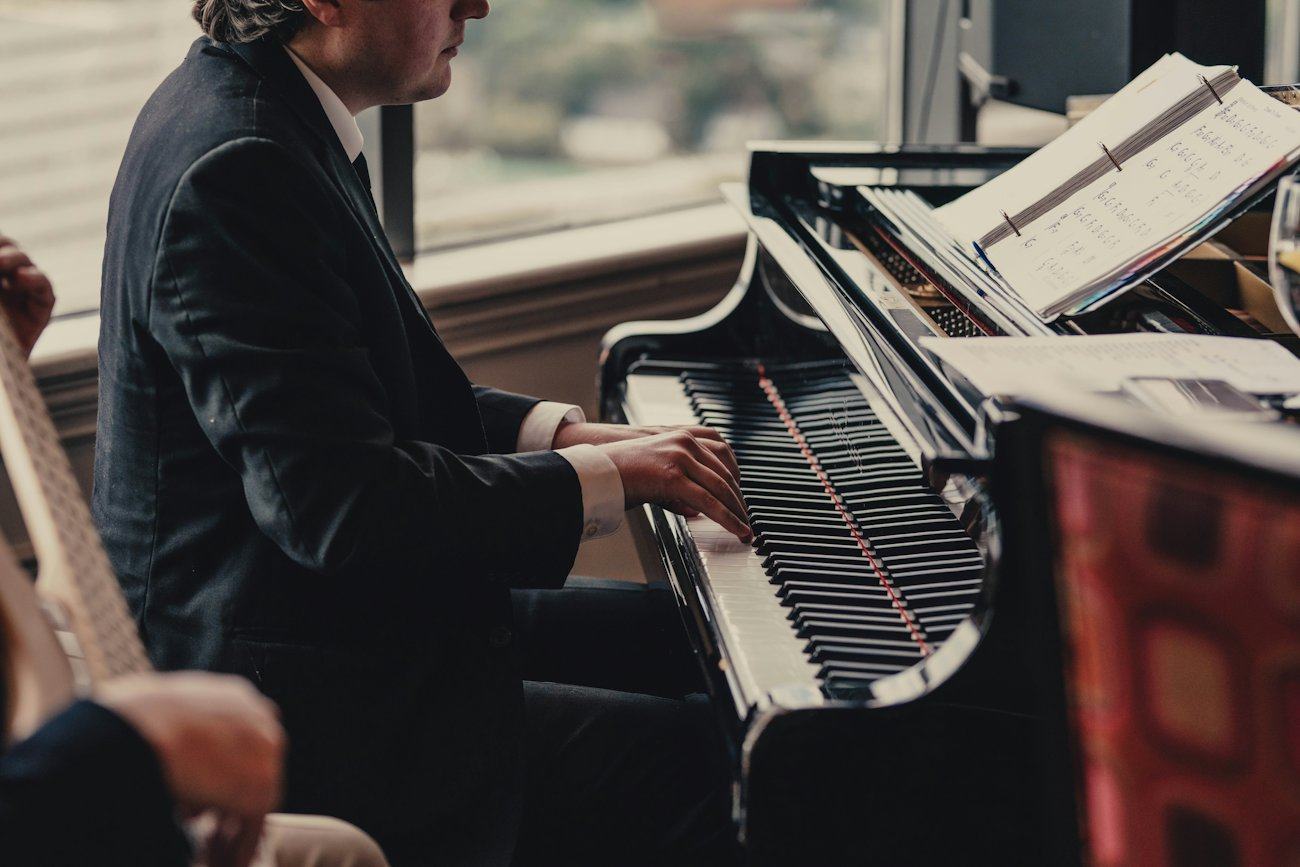
In North Jersey, most private instructors who come to an older adult's home charge about $60 to $150 an hour. Personal trainers usually land near $100. Home visits from music, art and recreation therapists run higher, about $160 to $200. Group card game courses and memoir projects are priced by the course or the session instead of by the hour.
These figures come from our October 2026 conversations with about 35 private instructors and about 50 older adults, adult children and care professionals in North Jersey. They are conversations, not a scientific survey. Treat them as a starting point for budgeting and for knowing whether a quote sounds normal, then ask each instructor for their own rates in writing.
How much do in-home lessons cost in North Jersey?
Expect roughly $60 to $150 for an hour of one-on-one teaching at home, and $160 to $200 for a therapy visit, based on what instructors and families told us in October 2026.
| Activity | Typical price we heard | How it is usually sold |
|---|---|---|
| Exercise and personal training | About $70 to $150 an hour, most about $100 | Weekly sessions, same time each week |
| Music therapy at home | About $200 a visit | Per visit, often weekly |
| Recreation, art or music therapy visits | About $160 to $200 a visit | Per visit |
| Mahjong, canasta or bridge course | About $200 per person | 3 to 4 weekly sessions of about 2 hours, groups of about 3 to 8 |
| Memoir and life story writing | Often about $100 a session | 4 to 7 sessions of 60 to 90 minutes, usually ending in a book |
| General private lessons (piano, painting, languages and similar) | About $60 to $150 an hour | Per lesson or a package of lessons |
A few notes on reading the table. A memoir project at about $100 a session works out to roughly $400 for four sessions and $700 for seven, Some writers offer a video version for an added fee. Card game courses are priced per student, so each friend at the table pays the full course fee. Therapy visits are priced higher, and in New Jersey these therapists must hold a state license.
Does the instructor charge for travel?
Usually not for short trips. Most instructors we spoke with travel about 15 to 25 minutes to a client, and some add a fee or raise the rate once the drive passes about 20 to 30 minutes.
If your mom lives in a town where few instructors are based, ask up front whether there is a travel charge and how it is figured. A flat travel fee is easier to budget than a per-mile charge. Booking the same time slot every week can also help, since an instructor can plan a route around a standing appointment. Trainers told us their in-home clients usually want the same time every week anyway.
What makes one teacher cost more than another?
The kind of activity, the teacher's credentials and the format drive most of the difference. In what we heard, licensed therapists charged more than hobby teachers, and one-on-one costs more per person than a group.
- Licensing. In New Jersey, art therapists, music therapists, dance and movement therapists, drama therapists and recreation therapists must be licensed by the state Board of Creative Arts and Activities Therapies. That licensing is part of what you pay for, and it matters most when your parent has dementia or another health condition.
- Specialty. Some trainers we spoke with focus on bone health for older clients. That is worth asking about after a fall or surgery.
- Session length. Ask whether shorter sessions are offered. Shorter can be better. A therapy practice that works with families at home told us a full hour on one activity is hard for many people with dementia, so they switch between music, art and conversation.
- Insurance and background checks. Instructors who carry their own liability insurance and have been background checked have real costs. A care manager told us she feels better recommending people who carry their own insurance.
Is a group class or one-on-one better value?
Groups cost less per person and add friends to the mix. One-on-one costs more but moves at your parent's pace, and it may be the only option if getting out is hard.
Card games are a good example. Mahjong, canasta and bridge teachers told us they teach small groups at one table over three to four weekly sessions. They also said nobody learns mahjong in one lesson, and four weeks works better than three. Bridge is the hardest and most mentally demanding of the three. Some people over 65 find learning a brand new game overwhelming, while people who already play often keep playing into their 80s. Our guide to mahjong, canasta and bridge has more on getting started.
Private lessons make the most sense in a few situations families described to us:
- After surgery or rehab, when your dad cannot get to a class yet.
- After giving up the car, when a weekly class across town is suddenly out of reach. See when a parent stops driving.
- When a spouse needs care and the healthy partner cannot leave the house for long.
- When memory loss makes a group setting stressful. Care professionals told us music is often what reaches someone with dementia. Our music and dementia guide explains why.
A friend or two can also join a private lesson at home. Ask the instructor whether they charge per student or a flat rate for a small group.
How do families usually pay for lessons?
Out of pocket. Often an adult child finds the instructor, books the first sessions and pays, and the older adult takes it from there. Active older adults often book for themselves.
Many older adults are careful with money and do not want it spent on them. Families told us that framing lessons as a gift works. A package of eight piano lessons for a birthday, a mahjong course for Mother's Day or a memoir project that the grandchildren will keep is easier to accept than "we're paying for a teacher." Our gift ideas for older parents guide has more on experience gifts.
Some older adults avoid online payments for fear of being hacked, and some prefer to book by phone. If your parent will be paying, ask whether the instructor takes checks, and agree that payment is per session or per package, never a large sum up front.
Where can my parent find free or low cost classes instead?
Start with the local senior center, the public library and the county. Many offer exercise classes, card games, art and talks for free or a small fee, and people often try the lowest price option first.
- Senior centers. Most New Jersey towns or counties run one. Our county guides list locations, for example Essex County, and our county pages cover the rest of the state. If your parent is nervous about going, read your first visit to a senior center.
- Libraries. Many New Jersey libraries run free classes on computers, writing and crafts, plus book groups and lectures.
- College programs. Lifelong learning programs and some public college tuition waivers are covered in learn something new after 60.
- Discounts. Many museums and attractions offer senior pricing, and New Jersey residents 62 and older can get a free Senior Citizen Pass for state park entrance.
- Your county office on aging. Call the Aging and Disability Resource Connection at 1-877-222-3737 and ask about free exercise programs, classes and senior transportation near your parent.
You can also mix the two. Say your mom goes to a chair yoga class at the senior center most weeks. A private lesson at home can cover the weeks she cannot get out.
How do I check an instructor before they come to Mom's house?
Ask about background checks, insurance and references, and confirm any license yourself. Trust came up in almost every conversation we had, and people told us they fear "anyone can sign up" websites.
- Confirm the license if there should be one. Art, music, dance and movement, drama and recreation therapists must be licensed in New Jersey. Look them up on the state license verification system at newjersey.mylicense.com or call the Division of Consumer Affairs at 1-800-242-5846 (toll free in New Jersey). Trainers and hobby teachers generally have no state license, so ask what certification or training they have.
- Ask about a background check. Ask who ran it, what it covered and when.
- Ask for proof of insurance. This matters most for exercise. Ask for a certificate of liability insurance.
- Call two references. Ideally other older adults or their families.
- Be there for the first session. Or join by video if you live far away.
- Keep money simple. Pay per session or per package by check or a traceable method. Never hand over a checkbook, and never lend cash.
Our full guide on how to vet someone coming into your parent's home walks through each check in more detail.
Common questions
How much does a personal trainer cost for a senior at home in NJ?
In our October 2026 conversations, in-home trainers in North Jersey charged about $70 to $150 an hour, with most around $100. Many of their in-home clients are 60 or older and book the same time every week.
How do I find someone to teach my mom piano or painting at home?
Ask her senior center, the local library and friends for names, then call two or three instructors. Ask about rates, travel fees, background checks, insurance and references, and be there for the first lesson. In our October 2026 conversations, North Jersey instructors generally charged about $60 to $150 an hour.
How do I pay for lessons for my dad without him feeling like a burden?
Many families give lessons as a gift, such as a package of sessions for a birthday or holiday. Older adults who are careful with money often find a gift easier to accept than an ongoing bill.
Are music therapists licensed in New Jersey?
Yes. New Jersey's Board of Creative Arts and Activities Therapies licenses art, music, dance and movement, drama and recreation therapists. You can check a license at newjersey.mylicense.com or by calling the Division of Consumer Affairs at 1-800-242-5846.
How long does it take to learn mahjong?
Instructors told us you cannot learn mahjong in one lesson. Courses usually run three to four weekly sessions of about two hours, and teachers said four weeks works better than three.
Does Medicare pay for in-home lessons?
Hobby lessons and personal training are generally paid out of pocket. If your parent's doctor has ordered therapy, ask the provider and the plan directly what is covered before you book.
- NJ Division of Consumer Affairs: Board of Creative Arts and Activities Therapies
- NJ Division of Consumer Affairs: county and municipal consumer affairs offices (Consumer Service Center 1-800-242-5846)
- NJ License Verification System
- NJ Division of Aging Services: County Offices on Aging and ADRC
- NJ State Parks: State Park Pass and Senior Citizen Pass
This guide is for general information. Program rules and income limits change, so confirm with the official source before you apply.