When a parent stops driving in NJ: rides, ID and staying connected
Signs it may be time, how to start the talk, the non-driver ID, every county paratransit number, NJ Transit options and how to keep your mom or dad active and social without the car.
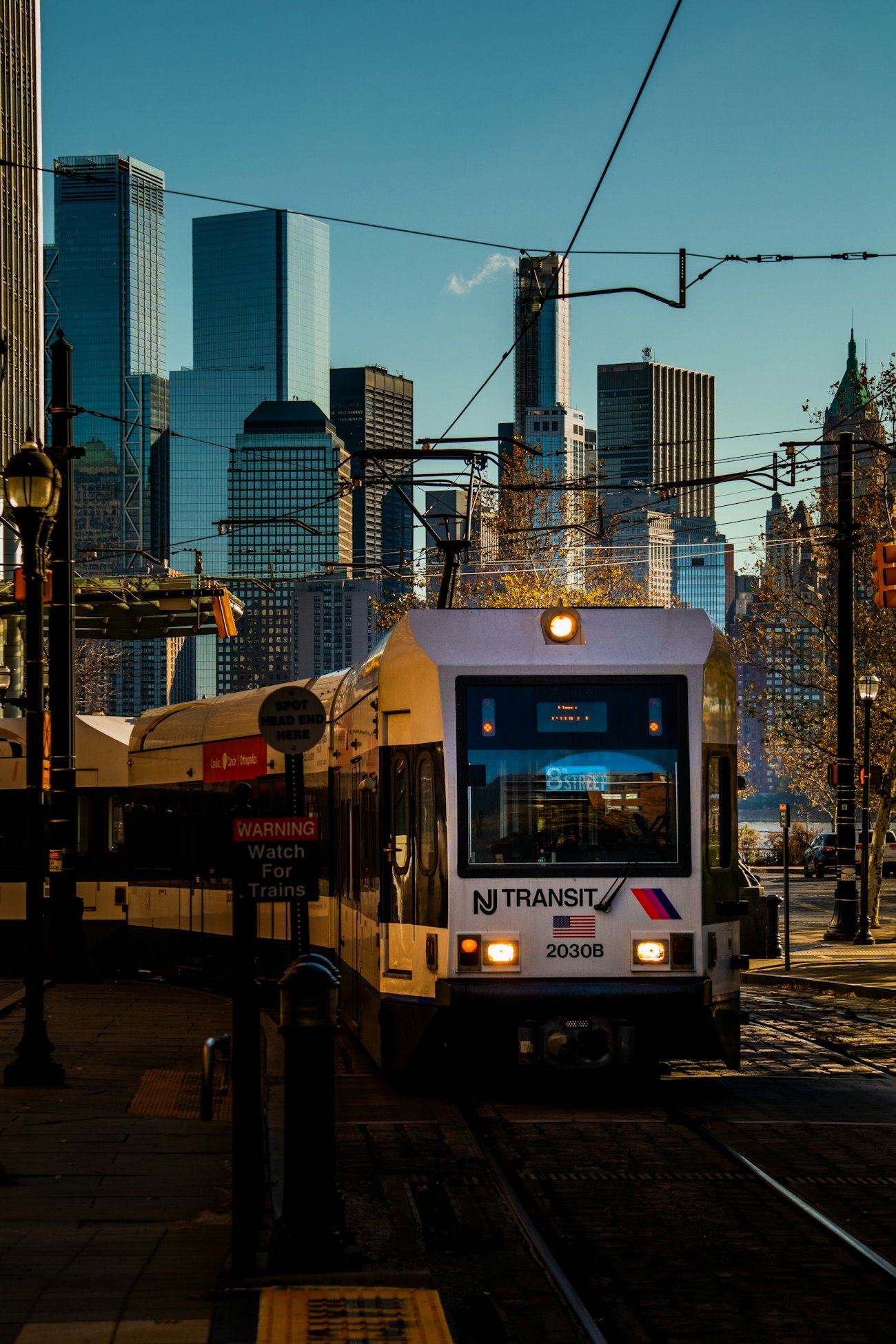
For most people in New Jersey, the car is how life happens. It gets you to the doctor, the store, the senior center, Sunday services and the diner where your friends meet. So when a parent stops driving, the worry is bigger than rides.
In our October 2026 conversations with North Jersey instructors, families and care professionals, one person put the worry plainly: "If I stop driving, then what am I going to do?" People also told us that many older adults give up the things they love only because they can no longer get there. This guide is about making sure that does not happen to your mom or dad.
For help with the earlier stage, when a parent is still driving and you want to keep them safe behind the wheel, see our guide to driving later in life in New Jersey.
What are the signs it may be time to stop driving?
The National Highway Traffic Safety Administration (NHTSA) says decisions about driving should never be based on age alone. Most older drivers have a lifetime of experience. What matters is how changes in vision, strength, reflexes and attention affect driving.
NHTSA's guide, developed with AARP and the USAA Educational Foundation, lists signs worth taking seriously:
- Trouble reading street signs or seeing lane lines, curbs and pedestrians, especially at dusk or night.
- Trouble turning to look over a shoulder, or moving a foot from gas to brake.
- Feeling overwhelmed at busy intersections, or finding gaps in traffic hard to judge.
- Getting lost on routes that used to be familiar.
- Several moving violations, near misses or crashes in the last three years.
- A warning from a police officer, even without a ticket.
- Medicines that cause sleepiness, or episodes of dizziness or blacking out.
- A doctor advising them to limit or stop driving.
- A friend or family member expressing concern.
Look for patterns over several weeks. Everyone has a bad day. Ride along a few times on different roads and at different times of day. Look at the car for new dents and scrapes.
A certified driver rehabilitation specialist can test driving skills and recommend changes, limits or equipment. New Jersey's Division of Disability Services keeps a list of specialists serving NJ residents on its transportation page. The doctor is also a good first call.
How do you start the conversation?
NHTSA notes that most families delay this talk until driving already feels dangerous, and then it becomes tense. Starting earlier is kinder. It suggests three steps: collect information, develop a plan, and follow through.
- Gather facts first. Note what you have seen, with dates. "You scraped the garage twice this month" lands better than "you're a bad driver now."
- Choose the right messenger. Some parents listen to a doctor or a trusted friend more easily than to their children.
- Lead with what stays the same. Start with the plan for keeping their life full. "You'll still get to cards every Tuesday. Here's how."
- Consider steps in between. Daytime only, no highways, familiar routes only. NHTSA suggests these as ways to stay safe longer.
- Expect more than one talk. Grief and anger are normal. Giving up the keys is a real loss.
- Follow through. Have the rides lined up before the last drive. A plan on paper is not the same as a ride that shows up.
If the conversation is part of a bigger worry about living alone, our guides to the first conversation about care and a parent living alone can help.
What ID does your parent use without a driver's license?
A photo ID is still needed for the bank, the pharmacy and travel. The New Jersey Motor Vehicle Commission (MVC) issues a non-driver photo ID to residents 14 and older.
- The first card must be obtained in person by appointment at an MVC Licensing Center.
- Bring the application (Form BA-208) and documents that meet the 6 Points of ID requirement.
- The fee is $24. The card is mailed.
- Residents with a disability can get a non-driver ID with a physician's certification. The MVC lists an initial fee of $6 and no renewal fee.
Our non-driver ID guide explains the documents and what to expect at the appointment.
How can your parent get around New Jersey without a car?
Options vary a lot by town. Most families end up using several, depending on the trip.
County paratransit
The NJ Department of Human Services says each of New Jersey's 21 counties provides a paratransit service for older residents and people with disabilities. Hours, reservation rules, trip types and fees vary, so call. These are the numbers the state lists, with the Essex and Ocean lines updated from the counties' own pages:
| County | Phone | County | Phone |
|---|---|---|---|
| Atlantic | 609-645-5910 | Middlesex | 1-800-221-3520 |
| Bergen | 201-368-5955 | Monmouth | 732-431-6480 |
| Burlington | 1-877-603-5111 | Morris | 973-829-8103 |
| Camden | 856-456-3344 | Ocean | 732-736-8989 |
| Cape May | 609-889-3700 | Passaic | 973-305-5756 |
| Cumberland | 856-691-7799 | Salem | 856-339-8644 |
| Essex | 973-737-7200 | Somerset | 908-231-7115 |
| Gloucester | 856-686-8350 | Sussex | 973-579-0480 |
| Hudson | 201-369-4320 | Union | 908-241-8300 |
| Hunterdon | 1-800-842-0531 | Warren | 908-454-4044 |
| Mercer | 609-530-1971 |
If a number has changed, the ADRC at 1-877-222-3737 can connect you with your county office on aging.
NJ Transit Access Link
Access Link is NJ Transit's paratransit service for people with disabilities who cannot use local buses or light rail. It runs in the same areas and hours as local bus service. It is shared-ride and curb-to-curb, and it is not free. Riders need an eligibility interview first. Call 973-491-4224 and choose option 1. NJ Transit notes the reduced fare card cannot be used on Access Link.
Reduced fares on buses and trains
NJ Transit offers reduced fares to riders 62 and older. The state says riders 65 and older can show a Reduced Fare ID or Medicare card, and riders 62 to 64 may be asked for ID with their date of birth. See our reduced fare guide.
If your parent has never ridden a bus, the New Jersey Travel Independence Program (NJTIP) at Rutgers teaches older adults and people with disabilities to use public transit. The state says the only cost during training is the rider's own fares. Call 848-932-4499.
Town senior buses
Many towns and senior centers run their own shuttles for shopping, meals and programs. Call your town hall or senior center and ask. Our county pages, such as senior centers in Essex County, list local contacts.
Rideshare, taxis and phone-based ride services
Rideshare apps work well for some older adults, especially if a family member sets up the account and tracks rides. Some services let you book a rideshare or car by phone, with no smartphone needed. Before you sign up, ask who the drivers are, how they are screened, how you are billed and what happens if a ride does not show.
Home care staff told us most aides do not drive clients, so do not assume a home care agency will solve transportation. Ask directly. If your parent has NJ FamilyCare, the state lists ModivCare for non-emergency medical rides at 1-866-527-9933, with requests two days ahead.
How do you keep your parent active and social without the car?
Rides solve part of the problem. The rest is making sure there are still good reasons to get dressed in the morning.
- Keep the anchors. List the three or four things your parent loves most and set up a ride for each, every week, at the same time.
- Ask friends. Many people are glad to share a ride to church or cards. Offer gas money or a meal to make it easy to say yes.
- Bring activities home. When getting out is hard, the activity can come to the house. Invite the card group over, or hire a private instructor for art, music or exercise. In our October 2026 conversations, private instructors in North Jersey said they generally charge about $60 to $150 an hour.
- Go online for some things. Video calls, online classes and phone-in programs fill gaps. See staying connected and tech help for seniors.
- Get groceries and meals delivered. That saves the rides for the things that matter. See Meals on Wheels.
Before anyone new comes into your parent's home or drives them, check references, ask about background checks and insurance, and keep money matters in the family. Our guide to vetting in-home help and our scams guide cover what to watch for.
What should families do in the first month?
- Write down every regular trip. Doctor, pharmacy, groceries, hair, worship, friends, activities.
- Match each trip to a ride. County paratransit, a town shuttle, a friend, family, rideshare or delivery.
- Make a ride sheet. Phone numbers, booking rules and how far ahead to call, posted by the phone.
- Get the non-driver ID. Do it before the license expires or is surrendered.
- Decide about the car. Selling it can cover a lot of rides. Insurance, gas, repairs and parking add up.
- Check in often. Ask what they missed this week, not just whether the rides worked.
If your parent seems withdrawn or sad, mention it to the doctor. Losing the car can feel like losing independence. With a good plan, it does not have to mean losing a full life.
Common questions
How do I tell my dad he needs to stop driving?
Gather specific examples first, pick the messenger he trusts most (sometimes his doctor), and lead with the plan for keeping his life full. Consider steps in between, like daytime driving only. Expect more than one conversation, and have rides set up before the last drive.
Can a doctor or specialist test whether my parent is safe to drive?
Yes. A certified driver rehabilitation specialist can evaluate driving skills and recommend limits or equipment. The NJ Division of Disability Services lists specialists serving NJ residents. Start by talking with your parent's doctor.
What ID can my mom use if she gives up her license?
The NJ Motor Vehicle Commission issues a non-driver photo ID. The first one requires an in-person appointment at a Licensing Center, Form BA-208, 6 Points of ID and a $24 fee. The card is mailed.
Is there free transportation for seniors in New Jersey?
Each county runs paratransit for older residents and people with disabilities, and many towns run senior shuttles. Fees vary by county and trip, so call your county number. NJ Transit offers reduced fares from age 62. Access Link charges a fare.
How do I keep my parent from getting isolated after they stop driving?
Keep their favorite weekly activities and set up a regular ride for each. Ask friends to share rides, bring some activities into the home, and use video calls and phone-in programs to fill gaps. Check in about what they missed, not only about rides.
This guide is for general information. Program rules and income limits change, so confirm with the official source before you apply.