Reverse mortgages in New Jersey: what seniors should know
How a reverse mortgage (HECM) works for New Jersey homeowners 62 and older: the required counseling, the 2026 loan limit, real costs, the risks for spouses and heirs, scams to avoid and cheaper options to try first.
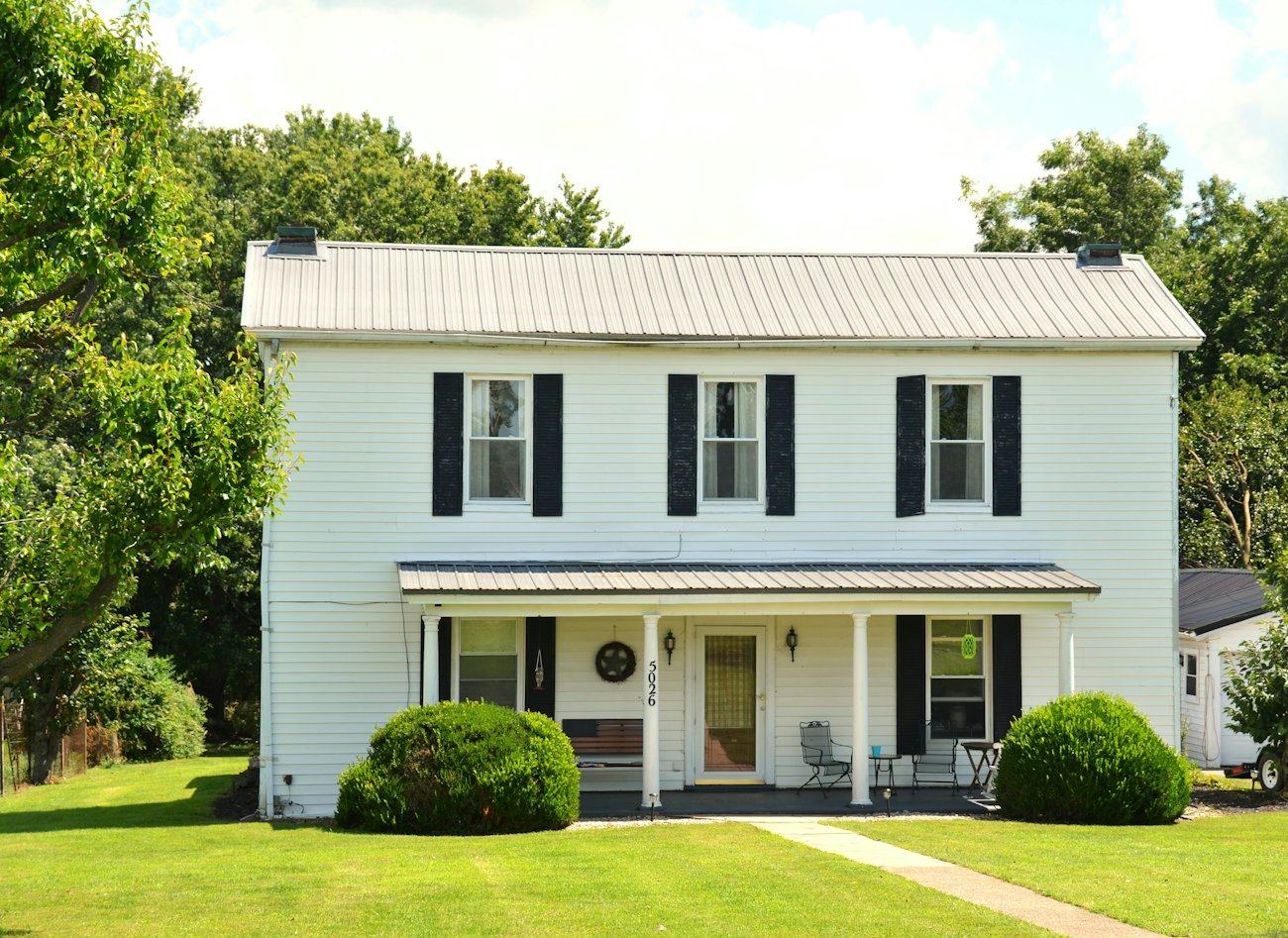
A reverse mortgage lets a homeowner 62 or older borrow against the value of the house without making monthly loan payments. The money can come as a line of credit, monthly payments, a lump sum or a mix. The loan is repaid later, usually when the last borrower sells, moves out or dies, and the home is typically sold to pay it off.
Almost all reverse mortgages in New Jersey are Home Equity Conversion Mortgages (HECMs), insured by the Federal Housing Administration (FHA). Before anyone can apply, they must meet with a HUD-approved counselor. For 2026, the most home value a HECM can be based on is $1,249,125. The loan can help some older adults stay at home, but it is expensive, and it comes with rules that can cost a family the house if they are missed. This guide explains how it works so you and your mom or dad can ask the right questions. It is general information, not financial or legal advice. A HUD-approved counselor and an elder law attorney can look at your family's own numbers.
Who can get a reverse mortgage in New Jersey?
You must be 62 or older, live in the home as your main residence, and own it outright or have a lot of equity. You also have to finish a counseling session with a HUD-approved HECM counselor before the lender can move ahead.
HUD's other rules for a HECM:
- You cannot be behind on any federal debt, such as federal taxes or a federal student loan.
- You need enough income or savings to keep paying property taxes, homeowners insurance and any condo or HOA fees.
- The home must be a single-family house, a two to four unit home where you live in one unit, a condo that meets FHA rules, or a manufactured home that meets FHA rules.
The lender also does a financial assessment. It checks your income, assets, monthly expenses and credit, and whether you have paid property taxes and insurance on time. If the lender has doubts, it can set aside part of the loan to pay future taxes and insurance for you. That lowers the cash you get, but it protects the home.
- Call a HUD-approved counselor first. Call HUD at 1-800-569-4287 or use the Consumer Financial Protection Bureau's housing counselor finder. Pick one yourself instead of using a name a lender hands you.
- Bring the paperwork. A recent property tax bill, your homeowners insurance declarations page, any current mortgage statement, and a list of monthly bills and income.
- Bring family. If your parent is married, both spouses should attend. Ask whether an adult child can sit in. Write down every question.
- Ask about the fee. Agencies may charge a reasonable fee, but the CFPB says they must tell you all charges before counseling and cannot charge you if you cannot afford it.
How much can you borrow with a reverse mortgage in 2026?
The amount depends on the age of the youngest borrower (or eligible spouse), current interest rates and the home's value, up to the FHA limit of $1,249,125 for 2026. Older borrowers and lower rates usually mean more money.
That limit is the most value a loan can be based on. It is not what you receive. You get a percentage of that value, called the principal limit, and closing costs and fees usually come out of it. HUD sets the limit each year. The 2026 figure applies to FHA case numbers assigned on or after January 1, 2026, up from $1,209,750 in 2025.
How you take the money matters too. On an adjustable-rate HECM you can choose a line of credit, monthly payments for as long as you live in the home, payments for a set number of years, or a combination. A fixed-rate HECM pays one lump sum at closing. A lump sum starts building interest on the full amount right away, so it is the most expensive way to borrow.
What does a reverse mortgage cost?
Expect several thousand dollars in up-front costs plus interest and fees that grow every month. Most borrowers pay these from the loan itself, which shrinks what is left for them and their heirs.
| Cost | HECM rule |
|---|---|
| Up-front mortgage insurance | 2% of the home value, charged at closing |
| Yearly mortgage insurance | 0.5% of the loan balance each year |
| Lender's origination fee | The greater of $2,500 or 2% of the first $200,000 of value plus 1% above that, capped at $6,000 |
| Servicing fee | Up to $30 a month (fixed or yearly adjusting rate) or $35 a month (monthly adjusting rate) |
| Third-party closing costs | Appraisal, title, recording, inspections, credit report and similar charges |
| Interest | Added to the balance every month, so you pay interest on interest |
Say your mom's house in Morris County appraises at $500,000. The up-front mortgage insurance would be $10,000, and the origination fee would hit the $6,000 cap. Add title, appraisal and other closing costs and she could spend well over $16,000 before receiving a dollar. Then the balance keeps rising as interest, mortgage insurance and servicing fees are added.
The upside is the mortgage insurance. If the home sells for less than the loan balance, FHA insurance covers the gap. Your parent and the heirs do not owe more than the home is worth when it is sold.
What can go wrong with a reverse mortgage?
Most problems come from three things: unpaid property taxes or insurance, a move out of the home, and a spouse who is not on the loan. Each can make the loan come due.
Property taxes, insurance and repairs
Your parent still owns the home, and the title stays in their name. That means they still pay property taxes, homeowners insurance and flood insurance if needed, and they must keep the house in good repair. The CFPB warns that if these are not kept up, you could lose your home to foreclosure. If the lender orders repairs, you generally have 60 days to start them. In a high-tax state like New Jersey, this is the biggest risk. Run the numbers on taxes for the next ten years, not just this one.
Moving out
The loan generally comes due when the last borrower dies or moves out. A stay in a nursing home or other health facility of more than 12 consecutive months counts as moving out. So does living somewhere else for the majority of the year. If your dad might need memory care in a few years, a reverse mortgage may not last long enough to be worth the costs.
A spouse who is not on the loan
Sometimes only the older spouse signs, because the younger one is under 62. HUD rules can let an "Eligible Non-Borrowing Spouse" stay in the home after the borrower dies or moves to a care facility. The spouse must have been married to the borrower when the loan was made, must qualify under HUD's rules and must keep living there as their main home. Ask the counselor to walk through this for your parents by name.
What heirs face
When the last borrower dies, heirs get a due and payable notice. Under HECM rules, they have 30 days to buy, sell or turn the home over to the lender, and that can be extended up to six months to sell or get their own loan. To keep the house, they must pay the full balance. If the balance is more than the home is worth, they can sell it for at least 95% of the appraised value, and mortgage insurance covers the rest. Our guide on what to do when a parent dies covers the other early steps, and estate planning basics explains how to make wishes clear in advance.
Does a reverse mortgage affect Senior Freeze, Stay NJ or ANCHOR?
Your parent keeps the title, so they are still a homeowner. These programs look at ownership, residence, age and income, and they pay back part of the property taxes on the home. Ask the Property Tax Relief hotline how a reverse mortgage fits your parent's own application.
Homeowners 65 and older, or those receiving disability benefits, apply for all three on one form, the PAS-1. The deadline for the 2025 round was November 2, 2026. Stay NJ requires homeowners 65 and older to own and live in the home for the entire year as their main residence. The Senior Freeze has its own rules on age, how long you have owned and lived in the home, and income. Call 1-888-238-1233 with questions, or read our guides to Senior Freeze, Stay NJ and ANCHOR.
These programs work in your favor. They lower the tax bill a reverse mortgage borrower must keep paying. Before taking any loan, make sure your parent has applied for every one they qualify for. Our complete property tax relief guide explains how they stack.
How do you spot a reverse mortgage scam in New Jersey?
Be wary of anyone who calls a reverse mortgage free money, pushes you to buy something with it, or uses government-looking logos. A HECM is a loan from a private lender that you must repay.
Warning signs that the FTC and CFPB point to:
- A contractor who suggests a reverse mortgage to pay for repairs, or who offers to arrange one.
- Pressure to put the money into an annuity, investment or insurance product.
- Ads that say "income for life" without saying payments can stop and you can lose the home if you move out or miss taxes or insurance.
- Names, seals or logos made to look like a government agency. The CFPB notes the VA does not offer reverse mortgages, and some ads falsely suggest it does.
- Fees, rates or total costs far above what other lenders quote.
Check that the lender and loan officer are licensed at NMLS Consumer Access, the national licensing database that New Jersey's Department of Banking and Insurance refers people to for mortgage lenders. Most reverse mortgages also come with a three-day right to cancel after closing. Send the cancellation in writing by certified mail.
To complain about a HECM, call HUD at 1-800-225-5342. For other reverse mortgages, report it to the FTC at reportfraud.ftc.gov or 1-877-382-4357. Our scams guide covers the other cons aimed at New Jersey homeowners.
What are the alternatives to a reverse mortgage?
For many families, cheaper help exists. Start with tax relief and benefits, then compare a reverse mortgage with selling, a regular home equity loan or family help.
- Tax relief and benefits first. ANCHOR, Senior Freeze and Stay NJ can return thousands a year. PAAD lowers prescription costs, and food and utility help can free up cash every month.
- Sell and move. If the house is too big or too costly to keep up, selling may leave more money for your parent than a reverse mortgage would. See our downsizing guide and senior housing choices.
- A home equity loan or line of credit. These have monthly payments, but the costs can be lower if your parent has steady income.
- Family help. Some adult children pay the tax bill or a repair in exchange for a written agreement. Talk to a lawyer about how it affects the estate and Medicaid.
- Smaller fixes. If the goal is to stay safely at home, our aging in place guide lists repair and modification help.
How much would my parent get after all costs? What happens to my mother if my father goes to a nursing home? How much will we owe in five and ten years? Can we afford the property taxes for as long as we plan to stay? What would we have if we sold instead?
An elder law attorney can also review the papers before closing, especially if a spouse is not on the loan or Medicaid may be needed later. Our guide on finding an elder law attorney in New Jersey explains how.
Common questions
How old do you have to be to get a reverse mortgage in New Jersey?
For a federally insured Home Equity Conversion Mortgage (HECM), the most common kind, you must be 62 or older. You must also live in the home as your main residence, have substantial equity and meet with a HUD-approved counselor before applying.
How do I help my mom decide if a reverse mortgage is a good idea?
Go with her to the required counseling session with a HUD-approved counselor you choose yourselves (HUD: 1-800-569-4287). Bring her tax bill, insurance papers and monthly budget. Ask how much she would get after costs, what happens if she moves to a care facility, and whether selling or property tax relief would leave her better off.
What is the reverse mortgage limit for 2026?
HUD set the 2026 HECM maximum claim amount at $1,249,125 for FHA case numbers assigned on or after January 1, 2026. That is the most home value the loan can be based on. Borrowers receive only a portion of it, depending on age and interest rates.
Can my parents lose their house with a reverse mortgage?
Yes. The loan can come due and the home can go to foreclosure if property taxes, homeowners insurance or needed repairs are not kept up, or if the last borrower moves out, including more than 12 consecutive months in a nursing home or other health facility.
What happens to the reverse mortgage when my dad dies?
If there is no co-borrower or eligible non-borrowing spouse, the loan comes due. Heirs generally have 30 days after the due and payable notice to buy, sell or turn the home over to the lender, with possible extensions up to six months. They can keep the home by paying the full balance, or sell it for at least 95% of its appraised value if the loan is larger than the home's worth.
Can I still get Senior Freeze or Stay NJ with a reverse mortgage?
With a reverse mortgage the title stays in your name, so you remain the homeowner. You still must meet each program's age, residence and income rules. Ask the Property Tax Relief hotline at 1-888-238-1233 about your own application.
- HUD: FHA announces 2026 loan limits, including HECM maximum claim amount
- HUD: Home Equity Conversion Mortgages for Seniors
- CFPB: What is a reverse mortgage?
- CFPB: What are the costs of a reverse mortgage?
- CFPB: Do I still need to pay property taxes and home insurance with a reverse mortgage?
- CFPB: What happens if I have a reverse mortgage and have to move out?
- CFPB: Will my non-borrowing spouse be able to stay in the home?
- CFPB: Can my heirs keep or sell my home after I die?
- CFPB: Find a housing counselor
- FTC: Housing counselors, how to help people avoid reverse mortgage missteps
- NJ Division of Taxation: Property tax relief FAQ
- NJ Treasury: Property tax relief applications due November 2, 2026
- NJ Department of Banking and Insurance: License search
This guide is for general information. Program rules and income limits change, so confirm with the official source before you apply.