Aging in place in NJ: making your home safe and comfortable
Room by room changes, what they cost, who can help pay and how to hire a contractor safely in New Jersey, from split-levels to shore condos.
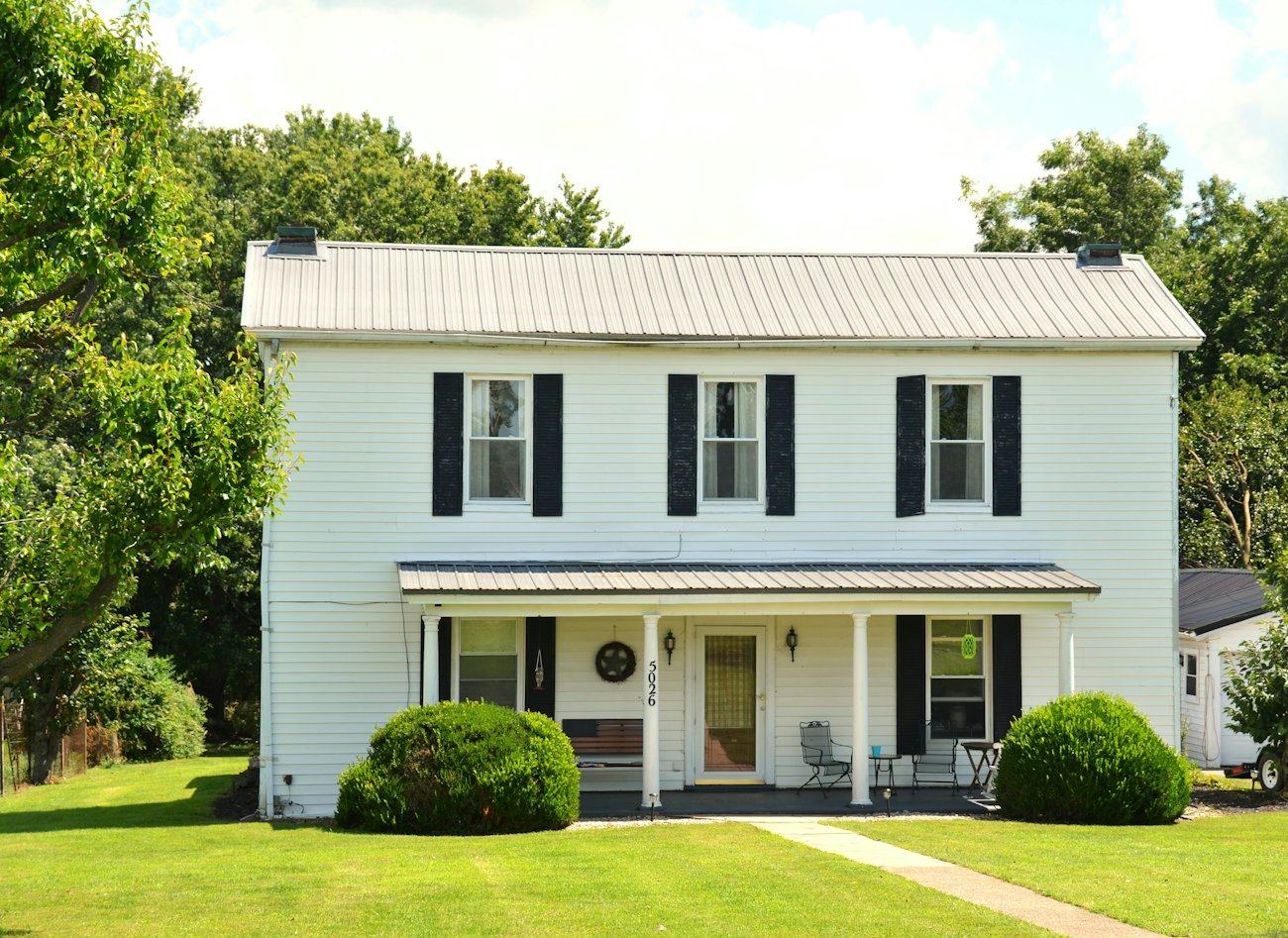
Most New Jerseyans over 60 want to stay in the home they know. Staying safely usually takes some changes. Some cost less than a tank of gas. Others need a contractor and a permit.
This guide walks through the home room by room, gives rough costs, explains who can help pay and shows how to hire a contractor without getting burned.
What does aging in place look like in a New Jersey home?
New Jersey's housing creates its own challenges. Think about where you live now and how you will move through it at 85.
- Split-levels and bi-levels. These are everywhere in New Jersey's postwar suburbs. Every trip from kitchen to bedroom means a half flight of stairs. Handrails on both sides of every short flight are a priority. Some families turn a lower-level den into a bedroom near a bathroom.
- Colonials and Cape Cods. The full bath is often upstairs. Adding a first floor half bath, or a full bath in a former laundry room or office, can make one floor living possible.
- Raised shore homes. Many homes along the coast were elevated after Superstorm Sandy. Long outside staircases are hard on bad knees. Ask early about a ramp, an outdoor-rated stair lift or a residential elevator.
- Condos and co-ops. One floor living is easier, but many older garden complexes have no elevator. Check the association's rules before you change anything. Boards often require approval for bathroom work, flooring or anything attached to shared walls.
- Older homes in prewar towns. Narrow doorways, steep stairs and a single upstairs bathroom are common. Plan bigger changes before you need them.
What should I change, room by room?
Entrances and outside
- Bright motion sensor lights at every door
- Sturdy handrails on both sides of outside steps
- A bench or shelf by the door for packages and groceries
- Lever handles in place of round knobs
- A plan for snow and ice, whether a neighbor, a paid service or a town volunteer program
Stairs and hallways
- Handrails on both sides, running the full length
- Light switches at the top and bottom
- Contrasting tape on step edges if the steps are hard to see
- No loose runners or clutter on stairs
Bathroom
Wet, hard surfaces make the bathroom a common place for falls. Start here.
- Grab bars by the toilet and in the tub or shower, anchored into studs or with rated anchors. A towel bar will not hold your weight.
- A comfort height toilet or a raised seat
- A handheld shower head and a shower chair or tub transfer bench
- Non-slip strips or mats
- A walk-in or curbless shower, if a tub is getting hard to step over
- A night light on the path from bed to bathroom
Kitchen
- Move everyday dishes and food to shelves between hip and shoulder height
- Pull-out shelves in low cabinets
- Lever or touch faucets
- A stove with front controls and automatic shutoff, or a countertop induction burner
- Good task lighting over the counter and sink
Bedroom and living areas
- A bed and chairs at a height that makes standing up easy
- A lamp you can reach from bed
- Clear walking paths and no throw rugs
- Cords tucked away from walkways
- Working smoke and carbon monoxide alarms on every level
What do these changes cost?
Prices vary by house and town. These national estimates from HomeGuide give a starting point. Always get local quotes.
| Project | Typical installed cost |
|---|---|
| Grab bar, per bar | $100 to $350 |
| Straight stair lift | $2,000 to $8,500 |
| Curved stair lift | $7,500 to $15,000 or more |
| Walk-in shower, prefab kit | $1,000 to $8,000 |
| Walk-in shower, custom tile | $3,500 to $15,000 |
A few ways to keep costs down:
- Have several grab bars put in on one visit to save on labor.
- If your stairs have a landing, ask whether two straight stair lift rails would cost less than one curved rail.
- Ask your doctor about a referral to an occupational therapist for a home safety check. They can tell you which changes matter most for your body and your house.
Who can help pay?
Medicaid and state programs
- Managed Long Term Services and Supports (MLTSS). New Jersey's Medicaid long term care program can cover residential modifications and a personal emergency response system for members, based on assessed need. See our guide to Medicaid and MLTSS.
- Jersey Assistance for Community Caregiving (JACC). For people 60 and older who need nursing home level care but have too much income for Medicaid. JACC can pay for environmental accessibility adaptations, medical equipment and an emergency response system. Details are in our caregiver support guide.
- County programs. Many county offices on aging run or fund small home repair and safety programs. Call the Aging and Disability Resource Connection at 1-877-222-3737 to ask what your county offers.
Veterans
The VA's Home Improvements and Structural Alterations (HISA) grant helps pay for medically necessary changes, such as accessible bathrooms, ramps and wider doorways. The lifetime benefit is up to $6,800 for a service-connected condition, or for any condition if the veteran has a service-connected rating of at least 50%. Other eligible veterans can get up to $2,000. Ask the Prosthetic and Sensory Aids Service at your VA medical center to confirm your balance before work starts.
Energy and weatherization
New Jersey's Weatherization Assistance Program provides a free energy audit and free efficiency work for qualifying households. You request it by checking a box on the combined LIHEAP and Universal Service Fund (USF) application. For federal fiscal year 2027, the income limit is 60% of state median income, which is $51,273 for one person. Applications are open October 1, 2026 to June 30, 2027. Call 1-800-510-3102 or apply online. Low-income utility customers may also qualify for Comfort Partners, which installs energy saving measures at no cost. Call 1-800-915-8309. Our food and utility help guide has more.
Keeping the house affordable
Property taxes are often the biggest cost of staying put. ANCHOR, Senior Freeze and Stay NJ are all on one application (PAS-1), due November 2, 2026. Call 1-888-238-1233 or see our property tax relief guide.
How do I hire a contractor safely in New Jersey?
Home improvement contractors in New Jersey must register with the Division of Consumer Affairs and renew every year. Unregistered contractors cannot get municipal permits. The state says registration is no endorsement, so do your own checking too.
- Verify registration and complaints. Call the Division of Consumer Affairs at 1-800-242-5846 or check with your county consumer affairs office. For electricians and plumbers, confirm the license is active.
- Get three written estimates. Ask how long each company has been in business and whether it uses subcontractors.
- Confirm insurance. Registered contractors must carry at least $500,000 in liability coverage. Get a copy and call the insurer to make sure it is current.
- Insist on a written contract. Any job of $500 or more needs one. It must include the contractor's legal name, business address and registration number, plus start and finish dates, a description of the work and the total price.
- Know your right to cancel. You can cancel for any reason until midnight of the third business day after you receive your copy. Send the cancellation in writing by certified mail, return receipt requested, and keep a copy.
- Make sure permits are pulled. Final inspections should be done before your final payment.
- Pay in stages. A common schedule is one third up front, one third midway and one third at completion. Do not pay cash. Ask for a lien waiver.
Red flags
- A knock on the door offering a "great deal" with leftover materials
- Demands for cash or more than a third of the price up front
- No registration number, or only a P.O. box address
- "You don't need a contract for this"
Read more in our guide to scams targeting NJ seniors.
Can smart technology help?
Simple tech can make a home safer and give family peace of mind. Start with one or two tools you will really use.
- Personal emergency response systems. A button worn on the wrist or neck, some with automatic fall detection. MLTSS and JACC can cover them for members.
- Video doorbells. See who is there before opening the door.
- Smart plugs and bulbs. Lights that turn on by voice or on a schedule, so you never walk into a dark room.
- Smart speakers. Call family hands free, set reminders and check the weather.
- Automatic pill dispensers. They sound an alarm and release the right dose at the right time.
- Water leak and stove shutoff sensors. Useful for anyone who sometimes forgets.
For video calls and other ways to stay in touch, see staying connected in NJ.
When is it time to consider a move?
Sometimes a house cannot be adapted at a reasonable cost. That is a practical problem with practical answers. Signs it may be time to look:
- The only bathroom is up a flight of stairs that a stair lift cannot serve
- Upkeep, taxes and repairs are draining savings
- You rarely leave the house because you no longer drive and transit is far
- Your care needs are growing faster than the help available
Options range from a one floor condo or 55-plus community near family to assisted living. Moving while you are still healthy lets you choose on your own terms. If family is part of the decision, our guide to talking about care with a parent can help start that conversation.
Common questions
Do I need a written contract for a small home repair in NJ?
New Jersey requires a written contract for home improvement jobs of $500 or more. It must include the contractor's registration number, dates, a description of the work and the total price.
How do I check whether a contractor is registered?
Call the NJ Division of Consumer Affairs at 1-800-242-5846, or ask your county consumer affairs office. They can also tell you about complaints.
Can I cancel a home improvement contract after I sign?
Yes. You can cancel for any reason before midnight of the third business day after you receive a copy. Do it in writing by certified mail with a return receipt.
How much is the VA HISA grant?
Up to $6,800 over a lifetime for service-connected conditions, or for veterans rated at least 50% service-connected. Other eligible veterans can get up to $2,000. Your VA medical center's prosthetics office can confirm your balance.
Will Medicaid pay for a stair lift or bathroom changes?
New Jersey's MLTSS program can cover residential modifications for members based on assessed need. Ask your MLTSS care manager, or call the ADRC at 1-877-222-3737 to start an assessment.
- NJ Division of Consumer Affairs: Tips for hiring a home improvement contractor
- Ocean County Consumer Affairs: Home improvement contractors
- Monmouth County Division of Consumer Affairs: Home improvement contractors
- U.S. Department of Veterans Affairs: Home Improvements and Structural Alterations (HISA)
- NJ Human Services: MLTSS booklet
- NJ Division of Aging Services: Programs side by side (2026)
- NJ DCA: USF, LIHEAP and weatherization brochure
- HomeGuide: Stair lift cost
- HomeGuide: Grab bar installation cost
- HomeGuide: Walk-in shower cost
This guide is for general information. Program rules and income limits change, so confirm with the official source before you apply.