Where to live next: senior housing choices in New Jersey
From staying put to a continuing care community, here is what each option offers, what care costs in New Jersey, and what to ask before you sign.

Sooner or later, most of us ask the same question. Is this still the right place to live? For some people the answer is yes, with a few changes. For others it means a smaller home, a community built for older adults, or a place with care on site.
New Jersey has every kind of option, and the choices can blur together. This guide walks through each one in plain terms, with real New Jersey costs and the questions to ask before you sign anything.
Is staying home still the right call?
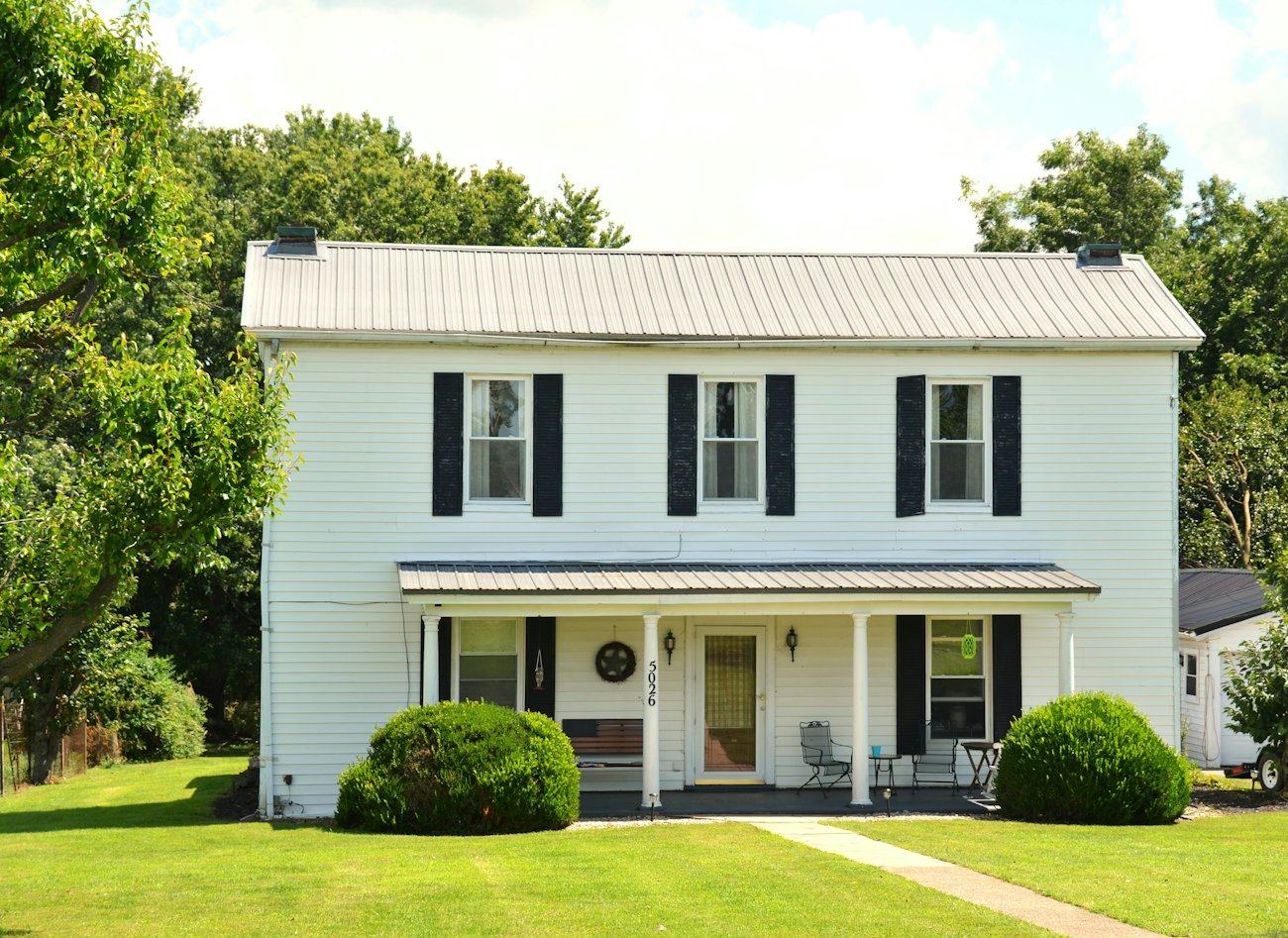
Staying put is what most people want, and it often works. The house is paid off or close to it. The neighbors know you. Your doctor is ten minutes away.
The question is whether the home can keep up with you. Stairs, a second-floor bathroom, a long driveway to shovel and a yard to mow all get harder over time. Many families start with small fixes: grab bars, a stair lift, better lighting, a first-floor bedroom. Our guide to aging in place in New Jersey covers those changes and the programs that help pay for them.
Help at home is the other half of the plan. A non-medical caregiver who helps with bathing, meals and errands costs about $38 an hour in New Jersey, according to CareScout's 2025 Cost of Care Survey. A few hours a week is affordable for many families. Round-the-clock care at home usually costs more than assisted living.
If you are staying home, ask yourself three things. Can I get in and out of the house safely in bad weather? Can I reach a bathroom on the main floor? Who would notice if I fell? If any answer worries you, it is time to plan, even if you never move.
What is a 55+ active adult community?
New Jersey is known for its age-restricted communities, and Ocean County is the best-known spot for them. Towns like Manchester, Berkeley and Toms River have large developments of single-level homes built for buyers 55 and older. You will find them in many other counties too, including Monroe Township in Middlesex County.
These are regular homes you buy and own. There is no care on site. What you get is a clubhouse, a pool, activities, and usually lawn care and snow removal handled by a homeowners association. You pay monthly association fees for those services, so ask what the fee covers and how often it has gone up.
Active adult living suits people who are healthy and independent and want less upkeep and more company. It does not solve a future care need. If your health changes, you would add home care or move again.
Condos and smaller homes
A condo or townhouse near your old neighborhood is the quiet favorite for many New Jersey downsizers. You keep your doctors, your church or synagogue and your friends. Look closely at the building's finances, the reserve fund and any special assessments planned for roofs, elevators or parking decks.
If you are selling a house to make any of these moves, read our guide to downsizing in New Jersey first. It covers the senior break on the realty transfer fee and what happens to your property tax relief when you move.
When does a continuing care retirement community make sense?
A continuing care retirement community (CCRC) offers several levels of living on one campus. You usually move in while independent, into an apartment or cottage. If you later need assisted living, memory care or nursing care, it is available on the same grounds.
The trade-off is cost. Most CCRCs charge a large entrance fee plus a monthly fee. Contracts vary a lot. Some cover future care at little added cost. Others charge market rates for care when you need it. Some refund part of the entrance fee to you or your estate. Others refund nothing after a few years.
New Jersey regulates CCRCs through the Department of Community Affairs (DCA). Its CCRC Program, in the Bureau of Homeowner Protection, carries out the Continuing Care Retirement Community Regulation and Financial Disclosure Act. Operators must register with DCA and give you a Disclosure Statement. That document covers the community's services, its fees, its finances and the terms of the contract.
Ask for the disclosure statement early, before you put down a deposit. Have an elder law attorney or financial adviser review it with you. You can reach the DCA CCRC Program at 609-984-7905 with questions about a community's registration.
How do assisted living, memory care and nursing homes differ?
These three are often confused, and they serve different needs.
Assisted living is for people who need help with daily tasks such as bathing, dressing or managing medications, but do not need round-the-clock nursing. Residents usually have a private apartment and share meals and activities. The New Jersey Department of Health licenses assisted living residences.
Memory care is specialized care for people with Alzheimer's disease or other dementias. It is often a secured unit inside an assisted living residence or nursing home. Staff are trained in dementia care, and doors are secured to prevent wandering. Ask exactly what training staff receive and how many aides are on each shift.
Nursing homes provide 24-hour nursing care. People go there for short-term rehab after a hospital stay, or long-term when their medical needs are high. The Department of Health licenses nursing homes too.
You can look up any licensed long-term care facility, along with its inspection information, through the Department of Health's facility search.
What does care cost in New Jersey?
New Jersey is one of the more expensive states for long-term care. These are statewide figures from CareScout's 2025 Cost of Care Survey, released in March 2026. Prices in your town may be higher or lower.
| Type of care | Yearly cost | Roughly per month |
|---|---|---|
| Assisted living (private one-bedroom) | $101,550 | $8,463 |
| Nursing home, semi-private room | $153,300 | $12,775 |
| Nursing home, private room | $173,375 | $14,448 |
| Non-medical home care (44 hours a week) | $86,944 | $7,245 |
| Adult day health care (5 days a week) | $26,000 | $2,167 |
Medicare does not pay for long-term custodial care in any of these settings. It covers limited short-term skilled care after a qualifying hospital stay. When savings run low, New Jersey Medicaid's Managed Long Term Services and Supports (MLTSS) program can help pay for care at home, in assisted living or in a nursing home. Our guide to MLTSS explains who qualifies. Not every assisted living residence accepts Medicaid, so ask before you move in.
How do I find affordable senior housing?
If your income is limited, there are apartments built for you, but most have waiting lists. Start early and apply to several at once.
- The New Jersey Housing Resource Center. Run with the New Jersey Housing and Mortgage Finance Agency (NJHMFA), it is a free online registry of affordable and accessible housing across the state. You can search rentals and filter for units with accessibility features. Search at nj.gov/njhrc or call 1-877-428-8844.
- Your local housing authority. Most New Jersey cities and many towns have a public housing authority. Many run senior buildings and manage Housing Choice Vouchers (Section 8). Call the authority in the town where you want to live and ask whether its senior waiting list is open.
- Senior apartment buildings. Many nonprofit and faith-based groups run subsidized senior buildings. Rent is usually based on income. Each building keeps its own list, so you apply building by building.
- Your county. The Aging and Disability Resource Connection (ADRC) can point you to local housing help. Call 1-877-222-3737 to reach your county's office on aging. You can also dial 2-1-1.
Keep a simple folder for applications. Write down the date you applied, who you spoke to and when to call back. Update every building if your phone number or address changes, or you can lose your spot.
What should I ask on a tour?
Tour at least three places. Go once on a scheduled visit and once unannounced, ideally around a mealtime. Bring a family member or friend and a notebook.
- Get the full price in writing. Ask for the base rate and every add-on. Many assisted living residences charge extra for medication help, incontinence care or a second person. Ask how much rates rose in each of the last three years.
- Ask about staffing. How many aides and nurses are on duty during the day and overnight? Is a nurse on site 24 hours? How long have the director and head nurse been there?
- Ask what happens when needs change. At what point would a resident be asked to move to a higher level of care? Who decides, and how much notice do you get?
- Check the license and inspections. Look the facility up in the Department of Health's facility search. Ask staff about any recent citations and what was fixed.
- Watch and listen. Do residents look engaged or parked in front of a television? Do staff call people by name? Taste the food. Visit the activity room at the time of a listed activity.
- Read the contract before you sign. Look for move-out notice periods, refund rules and fees for leaving. An elder law attorney can review it for a modest fee compared with what is at stake.
Once someone has moved in, help is available if problems come up. The Department of Health runs a 24-hour complaint hotline for health care facilities at 1-800-792-9770. The New Jersey Long-Term Care Ombudsman advocates for residents of nursing homes and other long-term care settings at 1-877-582-6995.
If you are having this conversation with a parent, our guide to the first conversation about care can help you start. The best moves are planned while there is still time to choose.
Common questions
Who licenses assisted living in New Jersey?
The New Jersey Department of Health licenses assisted living residences and nursing homes. You can look up a facility in its online facility search.
Who oversees continuing care retirement communities?
The New Jersey Department of Community Affairs runs a CCRC Program under the Continuing Care Retirement Community Regulation and Financial Disclosure Act. Operators must register and give prospective residents a disclosure statement. Call 609-984-7905 with questions.
Does Medicare pay for assisted living?
No. Medicare does not cover long-term custodial care. New Jersey Medicaid's MLTSS program can help pay for assisted living for people who qualify, but not every residence accepts Medicaid.
How do I find low-cost senior apartments?
Search the New Jersey Housing Resource Center at nj.gov/njhrc or call 1-877-428-8844. Also call your local housing authority and your county office on aging (1-877-222-3737). Apply to several places, since most have waiting lists.
- NJ DCA: Continuing Care Retirement Communities Program
- CareScout Releases 2025 Cost of Care Data for New Jersey (Business Wire, March 2026)
- NJ Department of Health: Health Facilities
- NJ Department of Health: Long-term care facility search
- New Jersey Housing Resource Center
- New Jersey Housing and Mortgage Finance Agency
- NJ Long-Term Care Ombudsman
This guide is for general information. Program rules and income limits change, so confirm with the official source before you apply.